
Temple of Olympian Zeus
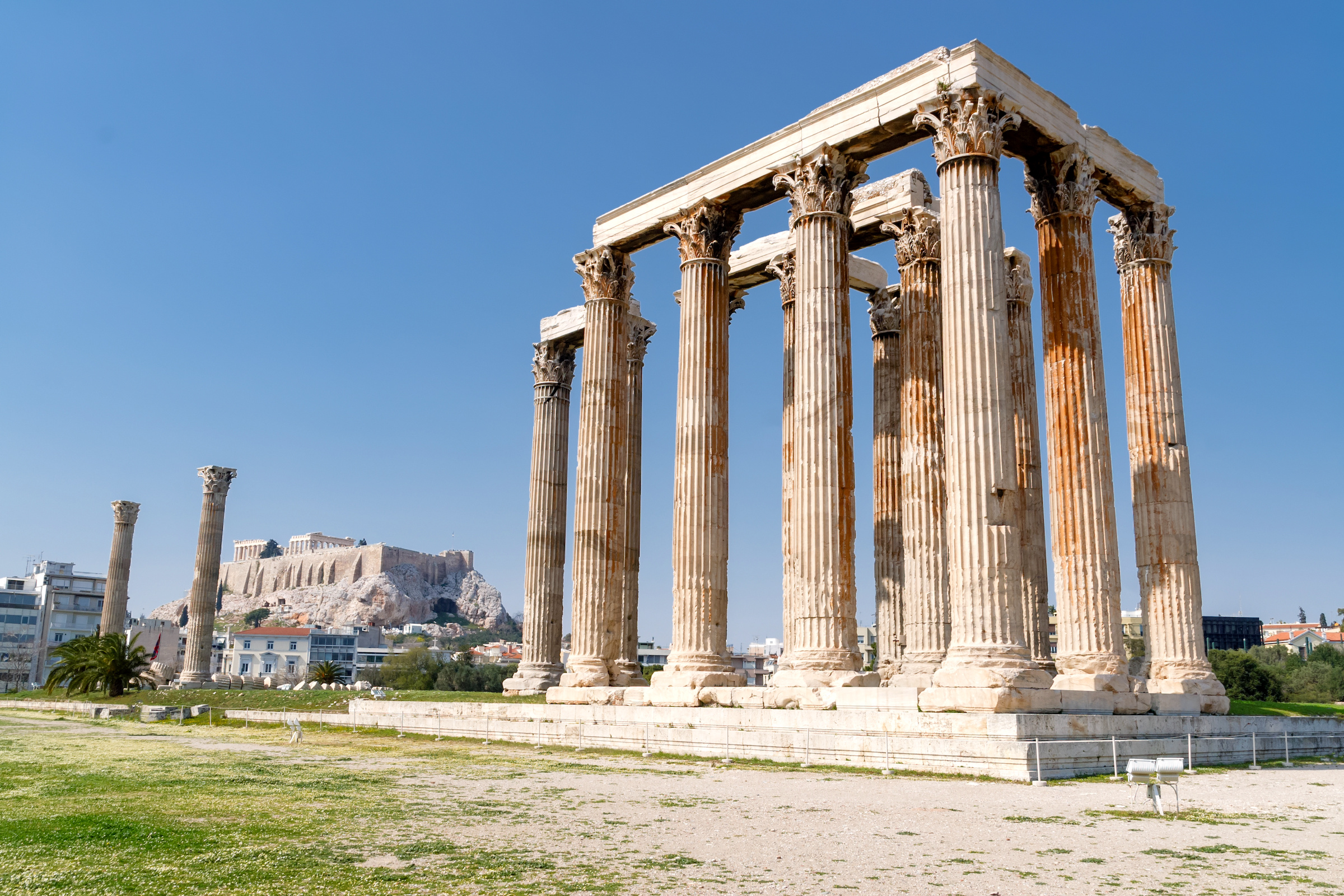
The columns of the Olympieion beside Hadrian’s Arch
The Temple of Olympian Zeus in Athens: Corinthian columns, Hadrian’s building project and the setting between the Acropolis and National Garden.
Contents
A temple centuries in the making
The Olympieion was a sanctuary of Olympian Zeus. Work on the temple began around 515 BC, but it remained unfinished for many generations. It was finally completed under the Roman emperor Hadrian in AD 131/132. Its long construction history connects Archaic Athens with the city of the Roman imperial period.
The site lies south-east of the Acropolis, between the rock and Ardittos Hill. The freestanding columns define its appearance today: densely built streets give way to open ground, where a few surviving elements reveal the temple’s scale.
Corinthian columns
Built of Pentelic marble, the temple was more than 100 metres long. Its 104 columns were Corinthian, recognisable by their richly decorated capitals. Fifteen still stand; another has lain on the ground since a storm in 1852.
The building served as a quarry in the Middle Ages. It is therefore far less complete than the Temple of Hephaestus in the Ancient Agora. The gaps between the remaining columns help convey its original extent.
Between the Acropolis and National Garden
Hadrian’s Arch stands on the north-west side. The temple and arch lie along the walking route from the Acropolis Museum towards the National Garden. The archaeological site’s entrance is on Vasilissis Olgas, within walking distance of Akropoli metro station on M2.
In winter, visiting hours end earlier here than at the Acropolis or Agora: the Olympieion closes at 15:00. A late visit after the museums is therefore not always possible. Opening hours also shorten gradually in autumn.
Frequently asked questions
How many columns of the Temple of Olympian Zeus survive? +
When was the temple completed? +
Nearby
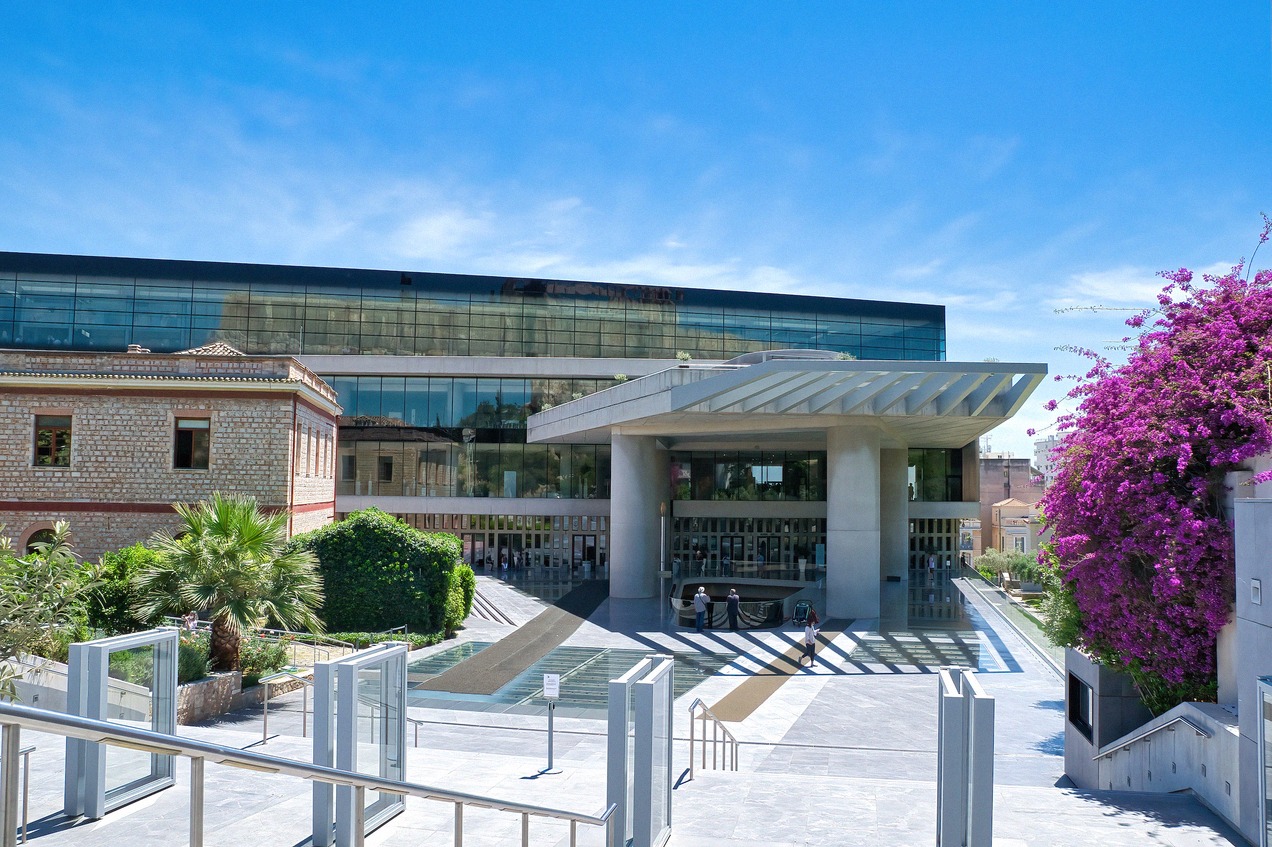
Acropolis Museum
Archaic sculpture and the Parthenon’s carved decoration at the Acropolis Museum, with an excavated neighbourhood beneath the building, admission and winter hours.
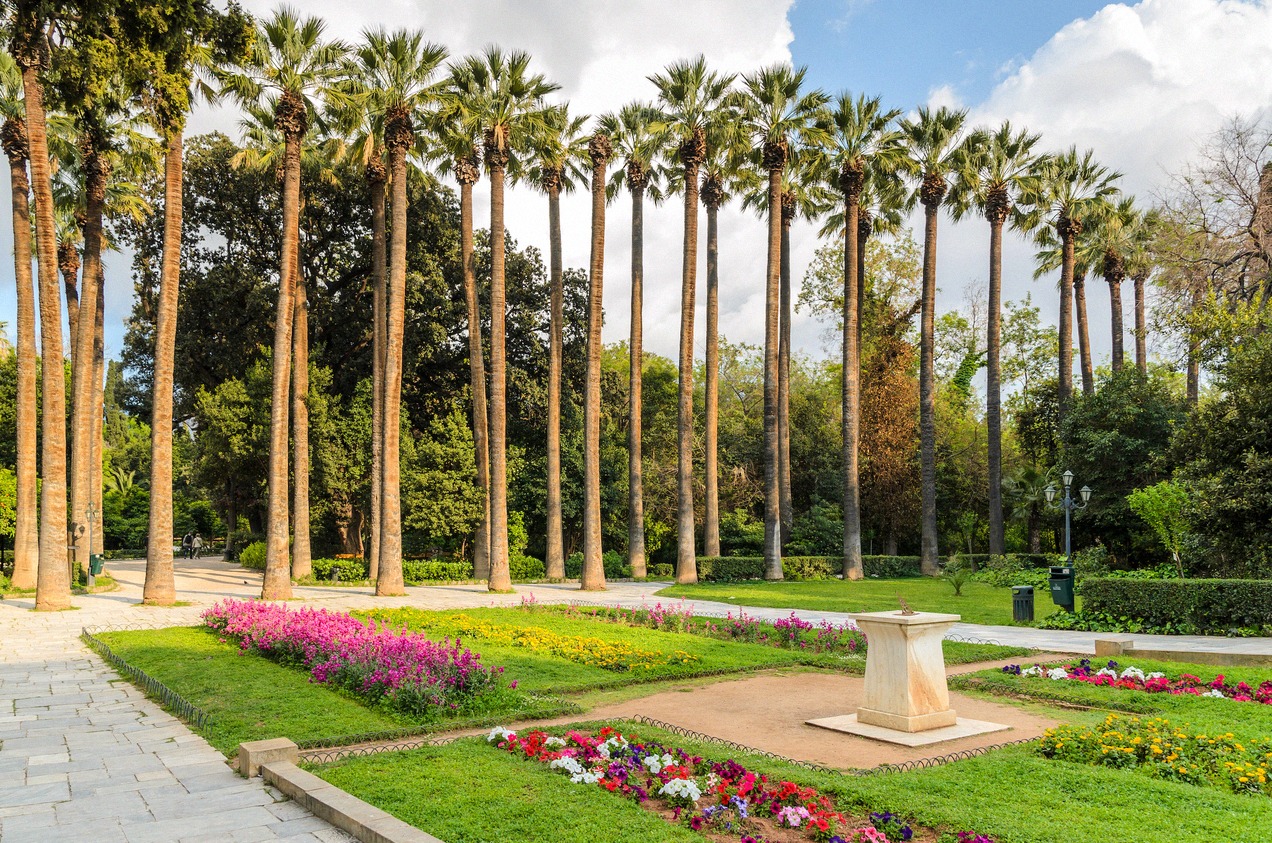
National Garden
Athens’ National Garden lies behind Parliament, with palms, ponds and winding paths. Its gates open daily from sunrise to sunset.
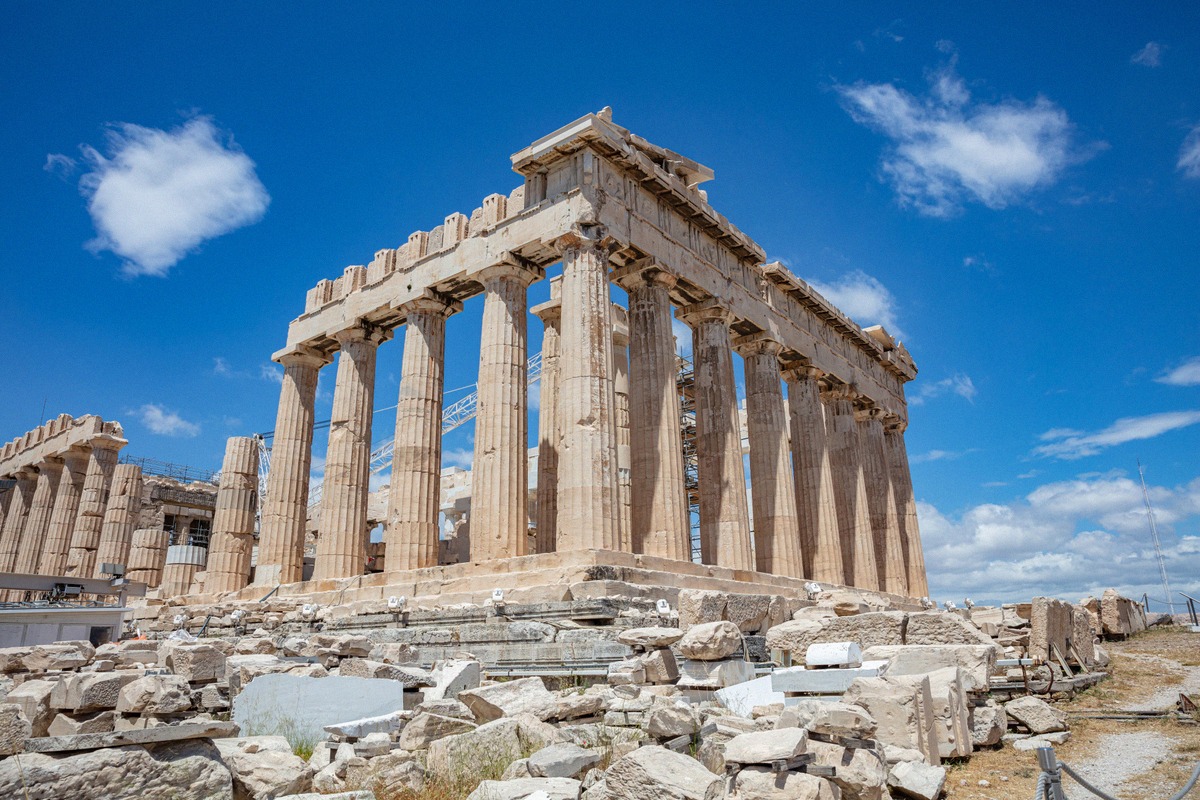
Acropolis
The Acropolis above Athens: the Parthenon, Erechtheion and Propylaea, admission, seasonal opening hours and the separate Acropolis Museum.
Panathenaic Stadium
Athens’ Panathenaic Stadium links ancient sporting history with the Olympic Games of 1896. Admission, museum and opening hours.
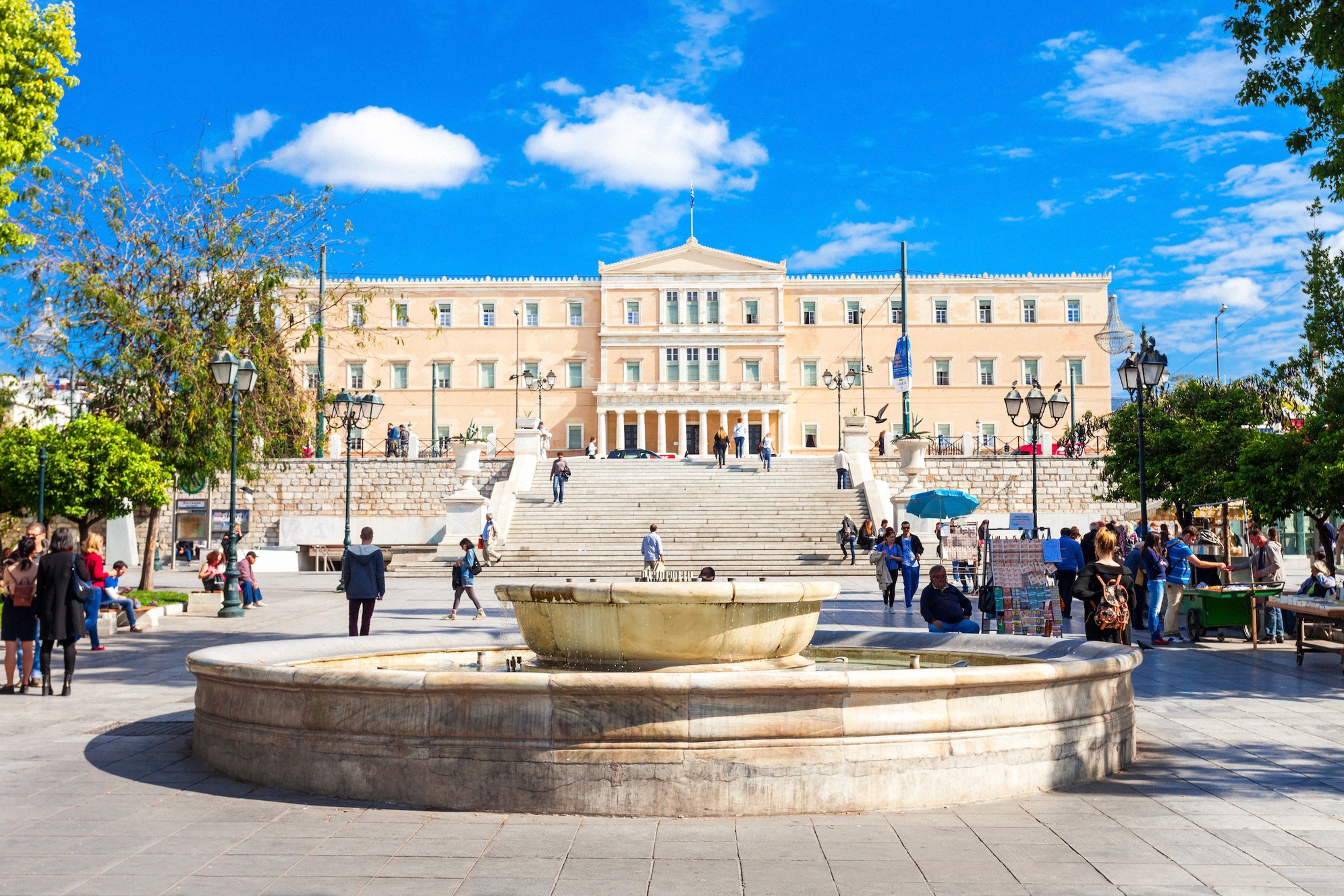
Syntagma Square
Syntagma Square brings together Parliament, the changing of the Evzone guard and two metro lines. The National Garden lies immediately behind Parliament.
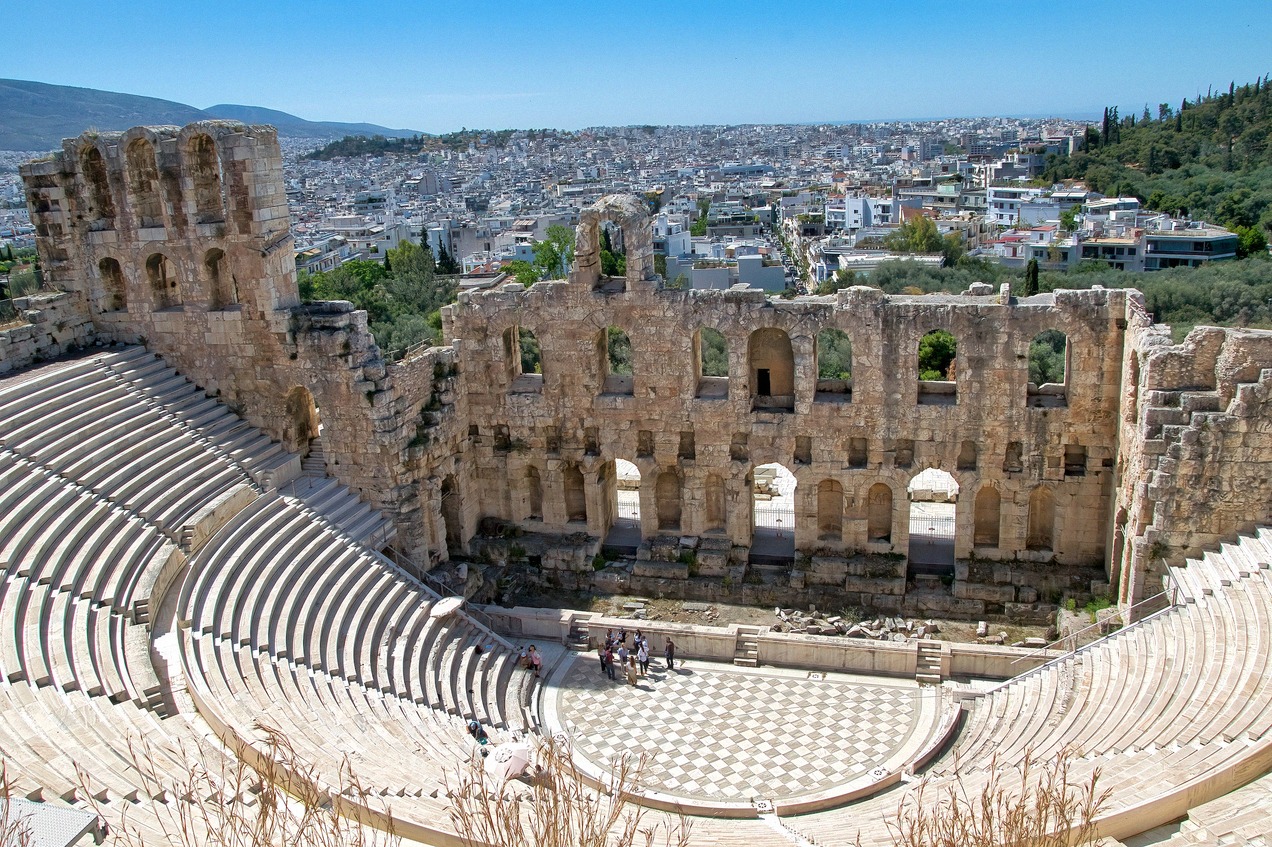
Odeon of Herodes Atticus
The Odeon of Herodes Atticus stands on the southern slopes of the Acropolis. Following farewell performances in June 2026, it is closed for several years of restoration.