
Panathenaic Stadium
Marble stands and the Olympic Games of 1896
Athens’ Panathenaic Stadium links ancient sporting history with the Olympic Games of 1896. Admission, museum and opening hours.
Contents
From the Panathenaic festival to the Olympics
The Panathenaic Stadium was the Athens venue for the first modern Olympic Games in 1896. Its horseshoe-shaped marble stands occupy a natural hollow south-east of the National Garden. The Greek nickname Kallimarmaro refers to the pale marble that defines the building.
The site’s history begins long before 1896. Around 330 BC, the statesman Lycurgus had a stadium built here for the contests of the Great Panathenaic festival. The original spectator banks were still made of earth. In the second century AD, Herodes Atticus funded the marble rebuilding and horseshoe-shaped layout.
Rebuilding for 1896
After centuries of decay, the stadium was restored for the first modern Olympics. Georgios Averoff financed the extensive reconstruction; his statue stands near the entrance. The present building follows the form of the Roman stadium.
The stadium also played a part in the 2004 Olympics, hosting archery and the marathon finish. The Athens Marathon still finishes at this historic sporting venue. This explains its continuing use for sporting events alongside its role as a monument.
Visitor route and stadium museum
Admission covers the stadium and its museum. A vaulted passage connects the arena to the areas behind it. The exhibition includes Olympic posters and torches. An audio guide accompanies the visit, with around 30 minutes allowed for the commentary.
The upper stands are exposed to the sun. Mornings or late afternoons are more comfortable in summer, while wet marble steps can be slippery. The running track and vaulted passage are accessible to people with reduced mobility; the steep stands present different challenges.
Location and admission
The stadium stands on Vasileos Konstantinou. Syntagma, Akropoli and Evangelismos metro stations are each roughly a kilometre away. A path through the National Garden connects the site with the centre. Events may close individual areas, so a regular admission ticket does not guarantee access to the track every day.
Frequently asked questions
Are the museum and audio guide included in the ticket? +
Can visitors go onto the running track? +
Nearby
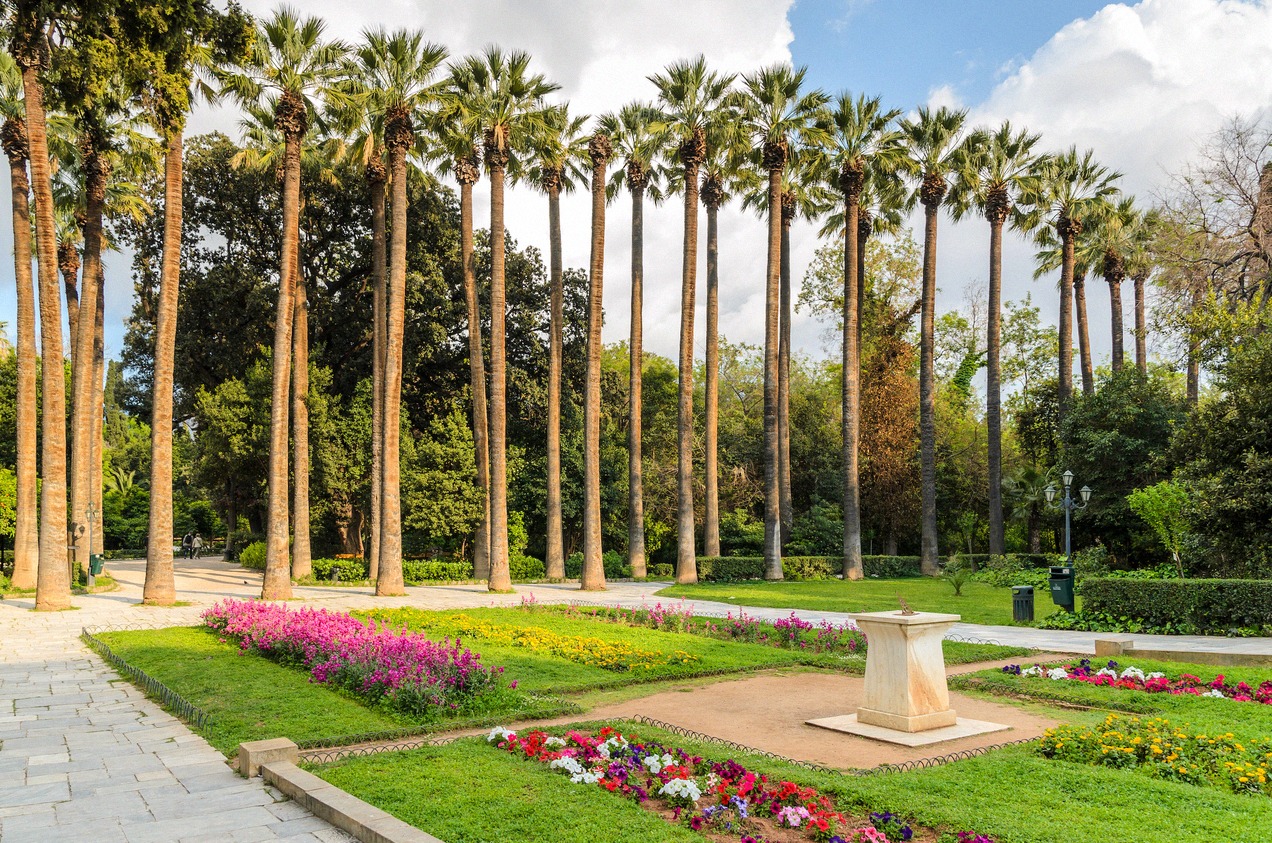
National Garden
Athens’ National Garden lies behind Parliament, with palms, ponds and winding paths. Its gates open daily from sunrise to sunset.
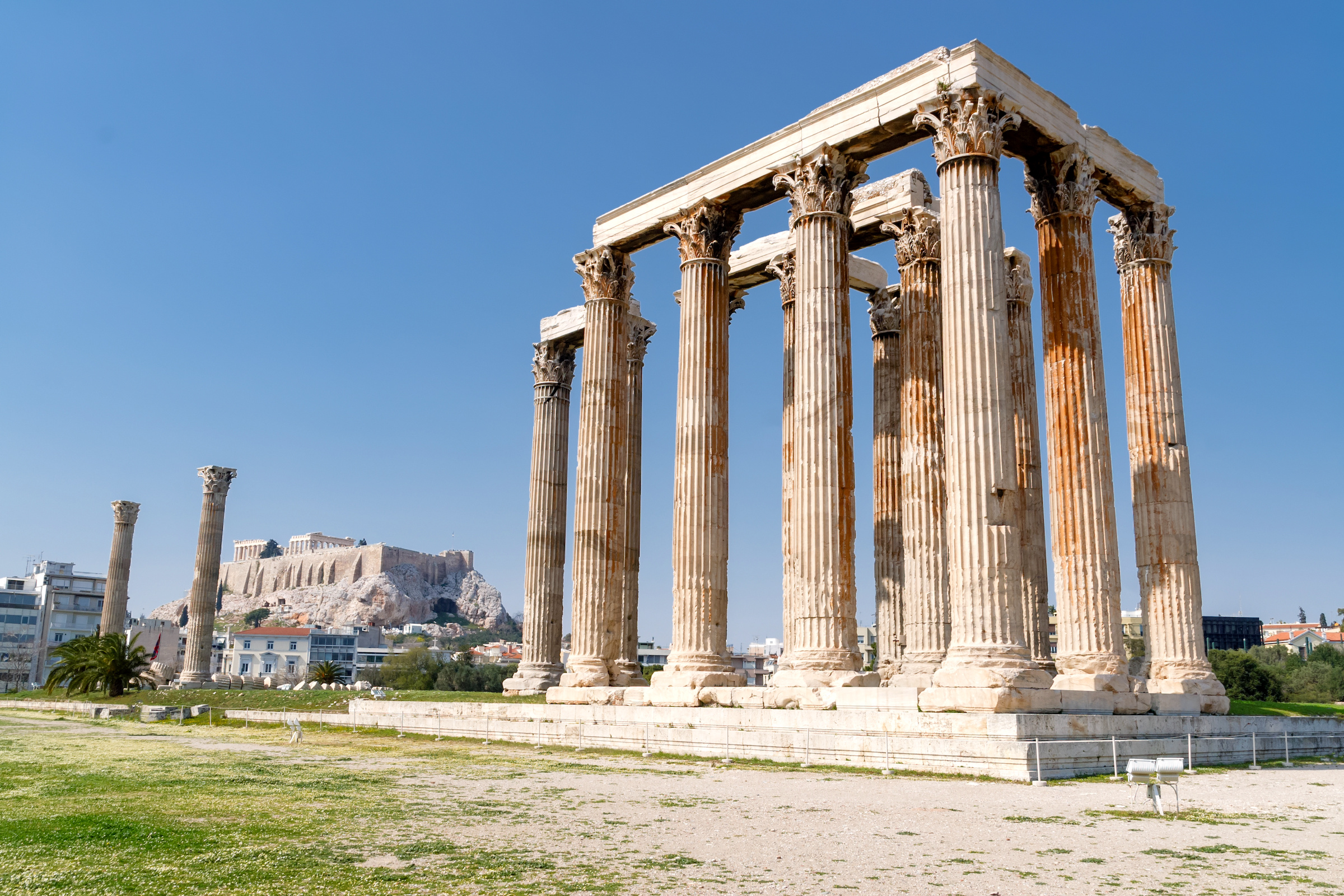
Temple of Olympian Zeus
The Temple of Olympian Zeus in Athens: Corinthian columns, Hadrian’s building project and the setting between the Acropolis and National Garden.
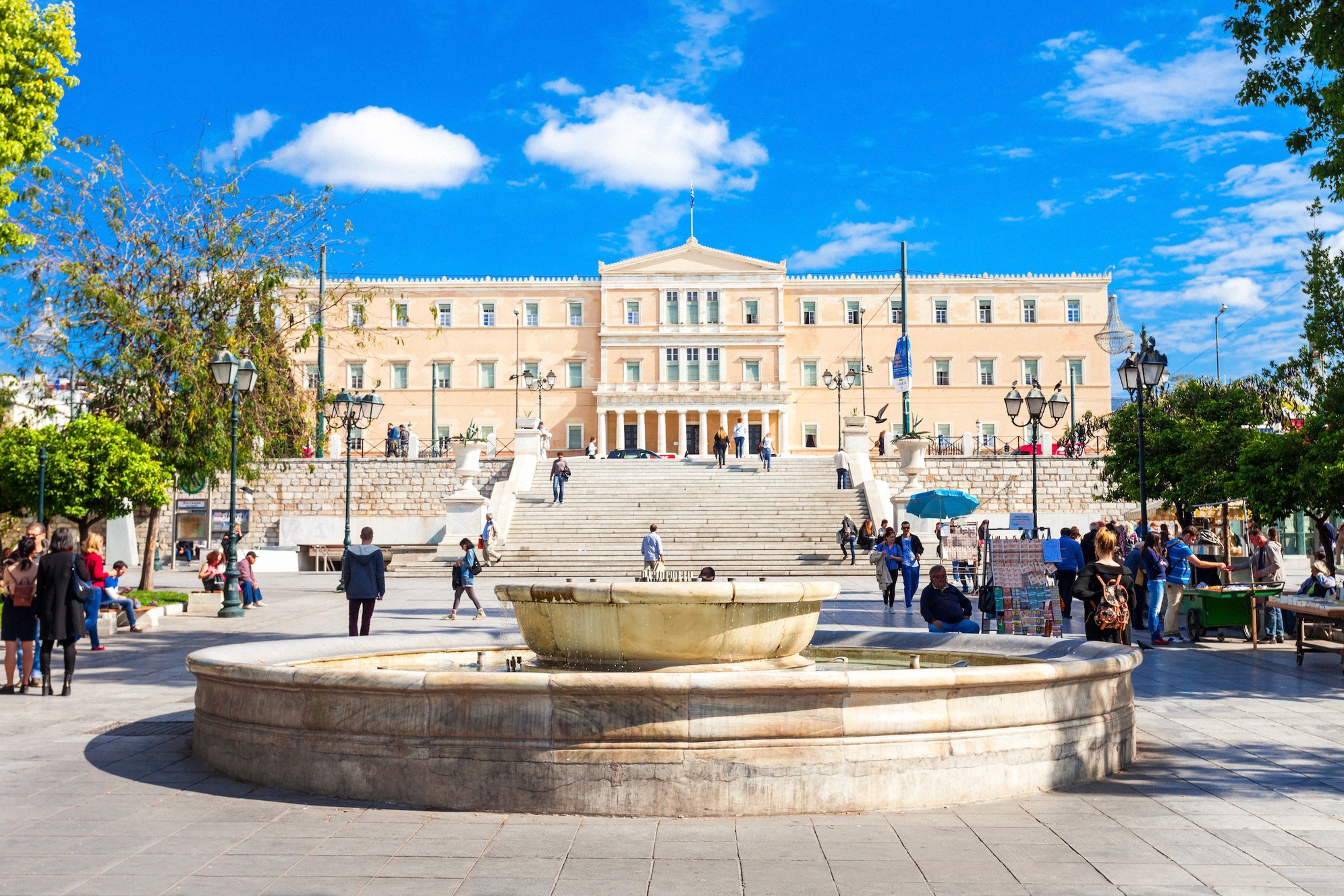
Syntagma Square
Syntagma Square brings together Parliament, the changing of the Evzone guard and two metro lines. The National Garden lies immediately behind Parliament.
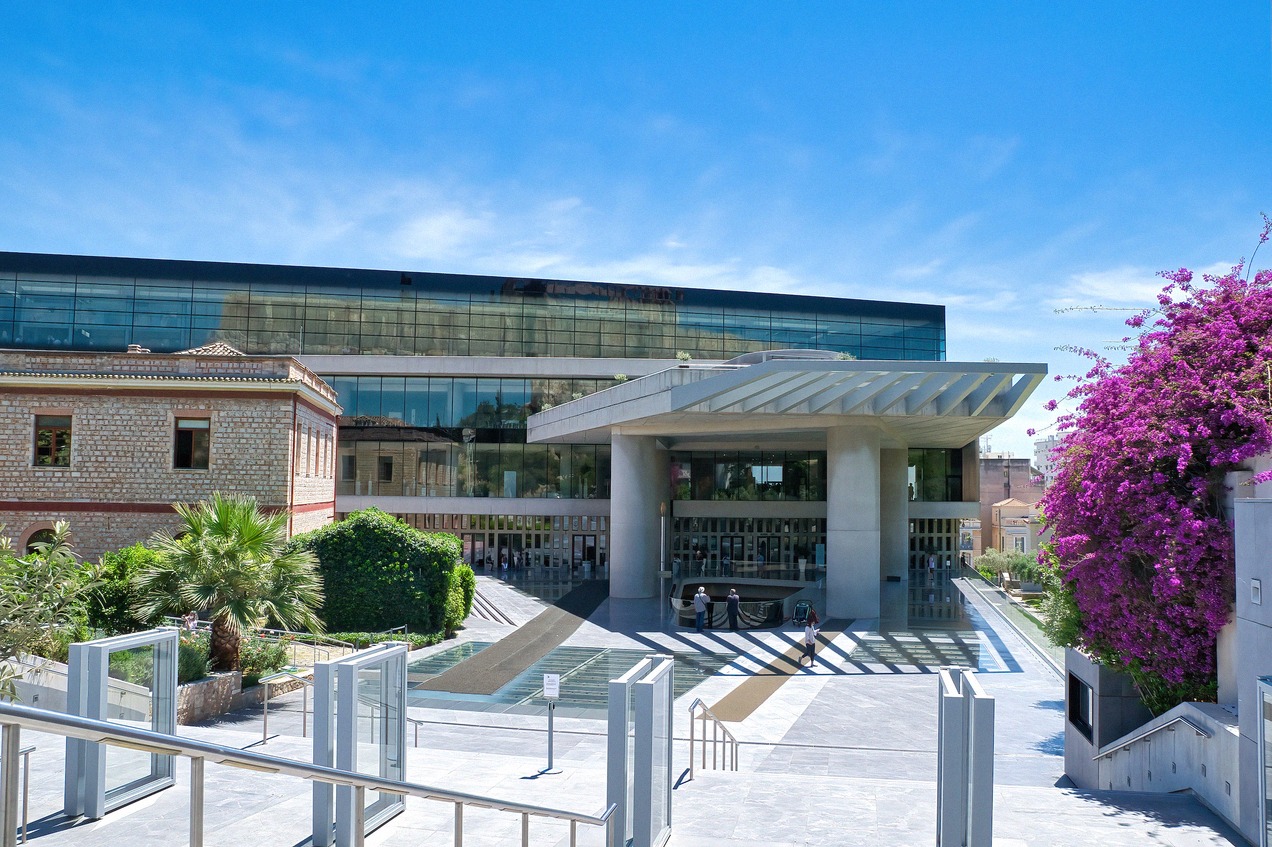
Acropolis Museum
Archaic sculpture and the Parthenon’s carved decoration at the Acropolis Museum, with an excavated neighbourhood beneath the building, admission and winter hours.
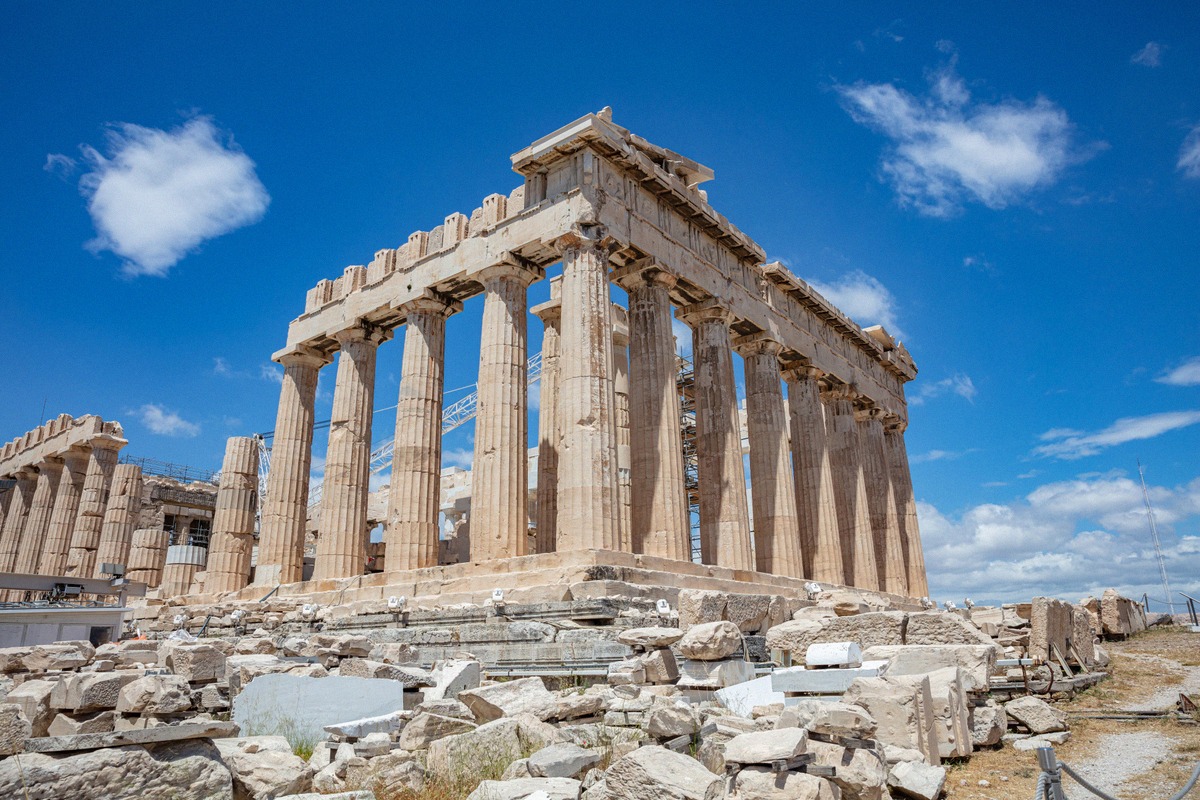
Acropolis
The Acropolis above Athens: the Parthenon, Erechtheion and Propylaea, admission, seasonal opening hours and the separate Acropolis Museum.
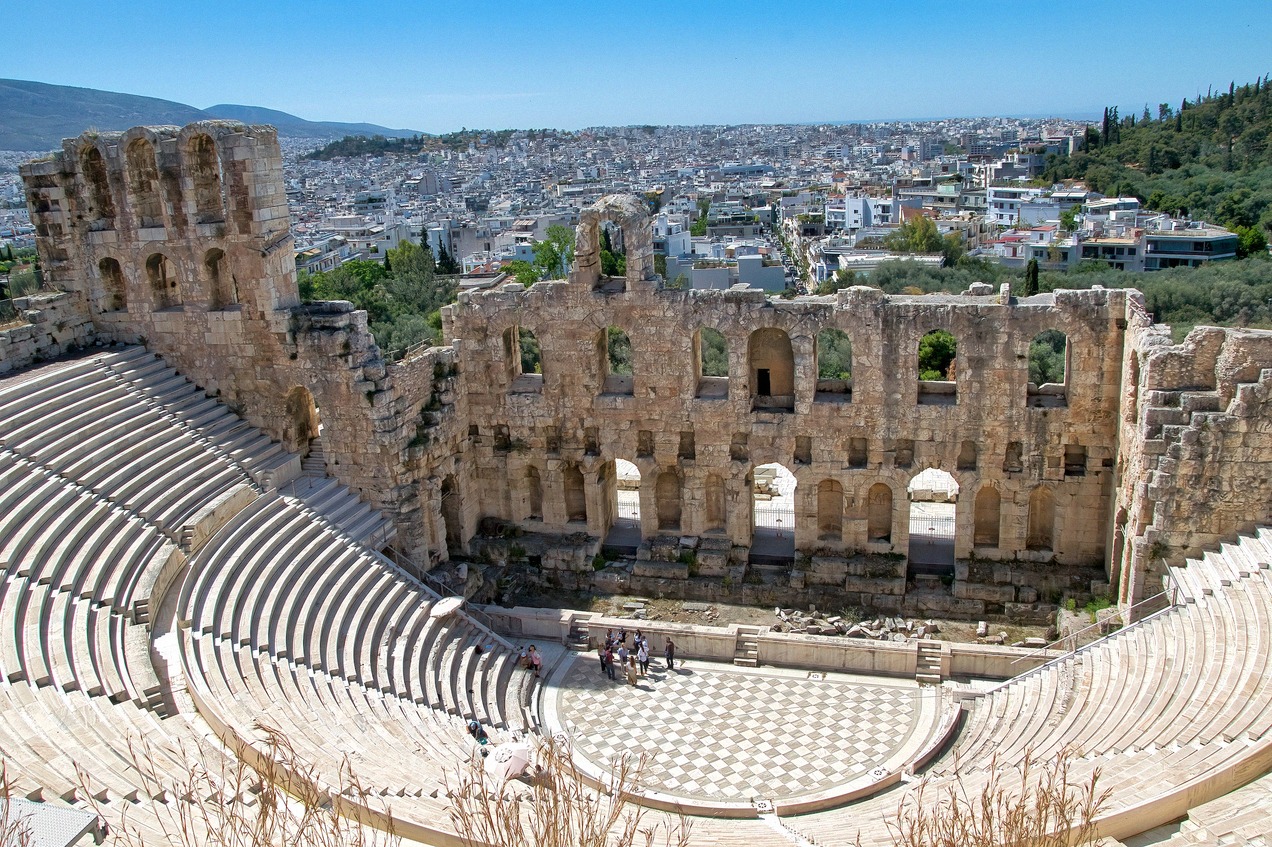
Odeon of Herodes Atticus
The Odeon of Herodes Atticus stands on the southern slopes of the Acropolis. Following farewell performances in June 2026, it is closed for several years of restoration.