
Ancient Agora
Temples, colonnades and public life in ancient Athens
Athens’ Ancient Agora, with the Temple of Hephaestus and Stoa of Attalos, was the political and commercial centre below the Acropolis.
Contents
The centre of the ancient city
Below the Acropolis lay the Agora, the heart of public life in Athens. Trade, debate and the administration of justice took place among its temples, shopping arcades and civic buildings. Religious celebrations and performances were also part of the square’s everyday life. Its surviving foundations reveal a different side of the city’s history from the temples on the rock.
At the foot of the hill stood the Bouleuterion, where the council met, and the Tholos, the headquarters of its executive members. Only low remains survive of many buildings. Their ground plans become clearer in relation to the site’s two prominent landmarks: the Temple of Hephaestus and the Stoa of Attalos.
Temple of Hephaestus
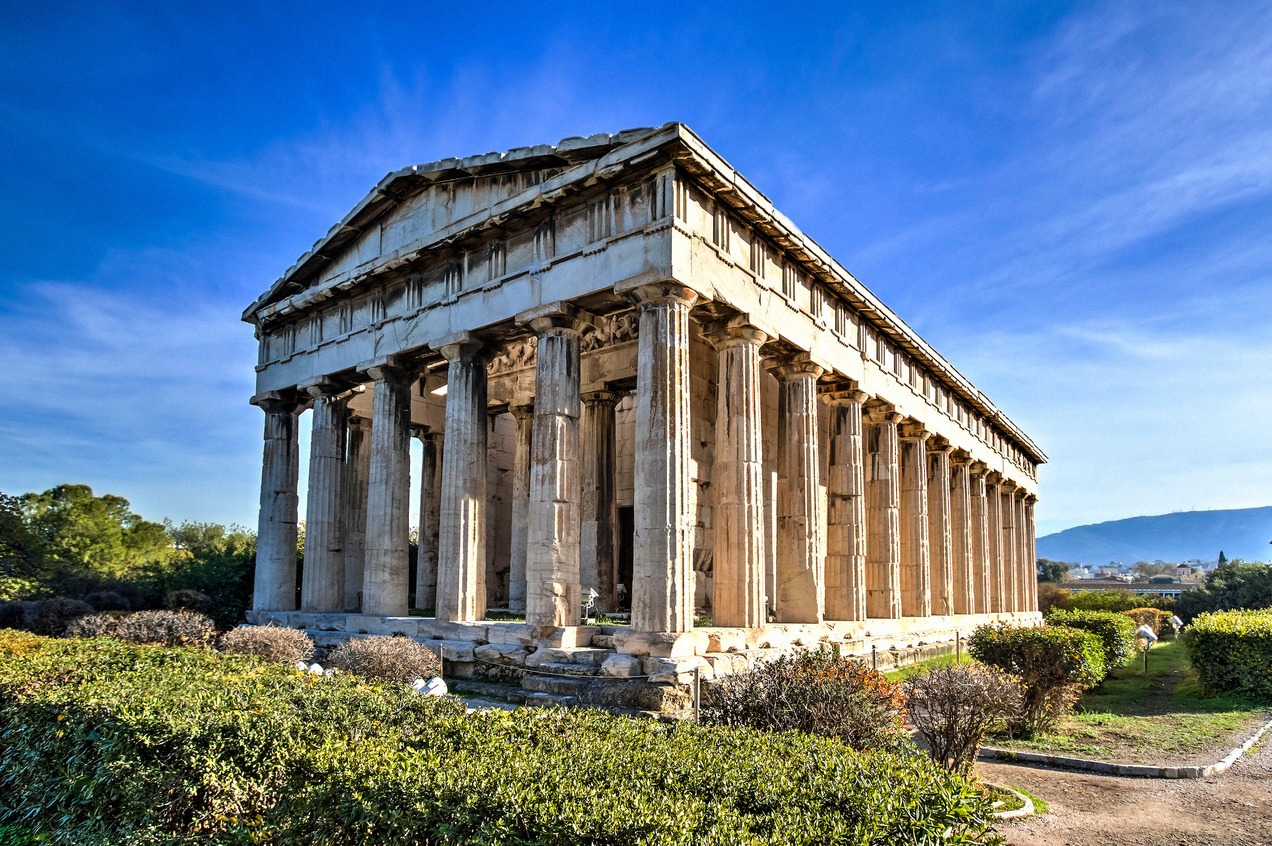
The fifth-century BC Doric temple stands on the raised ground of the Agoraios Kolonos. It was dedicated to Hephaestus and Athena. Its surrounding colonnade and surviving upper structure make the form of a Greek temple particularly easy to recognise.
The building is also known as the Theseion, partly because its sculptural decoration depicts the deeds of Theseus. The path beside the temple offers views across the Agora and towards the Acropolis.
Stoa of Attalos
The long colonnade on the opposite side of the site is a reconstruction. The ancient stoa was built in the second century BC under King Attalos of Pergamon and provided space for shops. It now houses the Agora Museum. Its size conveys the scale of the former square.
Church of the Holy Apostles
The site also contains the Byzantine Church of the Holy Apostles. Its domed structure dates from the late tenth or early eleventh century. Among the ancient ruins, it shows that the neighbourhood continued to exist in Christian Athens.
Access from Monastiraki
Adrianou runs along the northern edge of the site. Monastiraki is served by metro lines M1 and M3, and Thiseio by M1. Both the excavation and the museum need time; viewing the colonnade from outside does not replace a visit to its collection. On Tuesdays, the museum opens at 10:00.
Frequently asked questions
Is the Ancient Agora the same as the Roman Agora? +
What is inside the Stoa of Attalos? +
Nearby
Odeon of Herodes Atticus
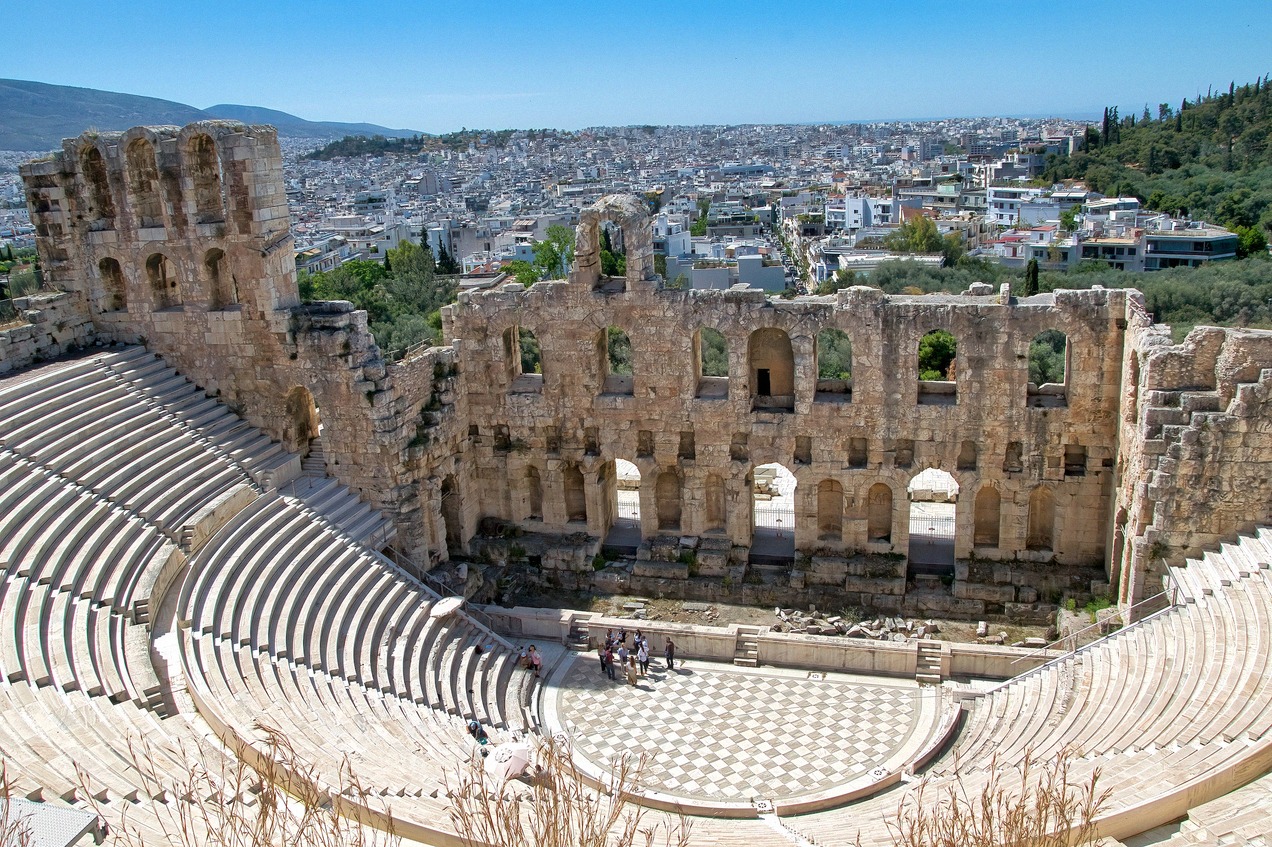
The Odeon of Herodes Atticus stands on the southern slopes of the Acropolis. Following farewell performances in June 2026, it is closed for several years of restoration.
Acropolis
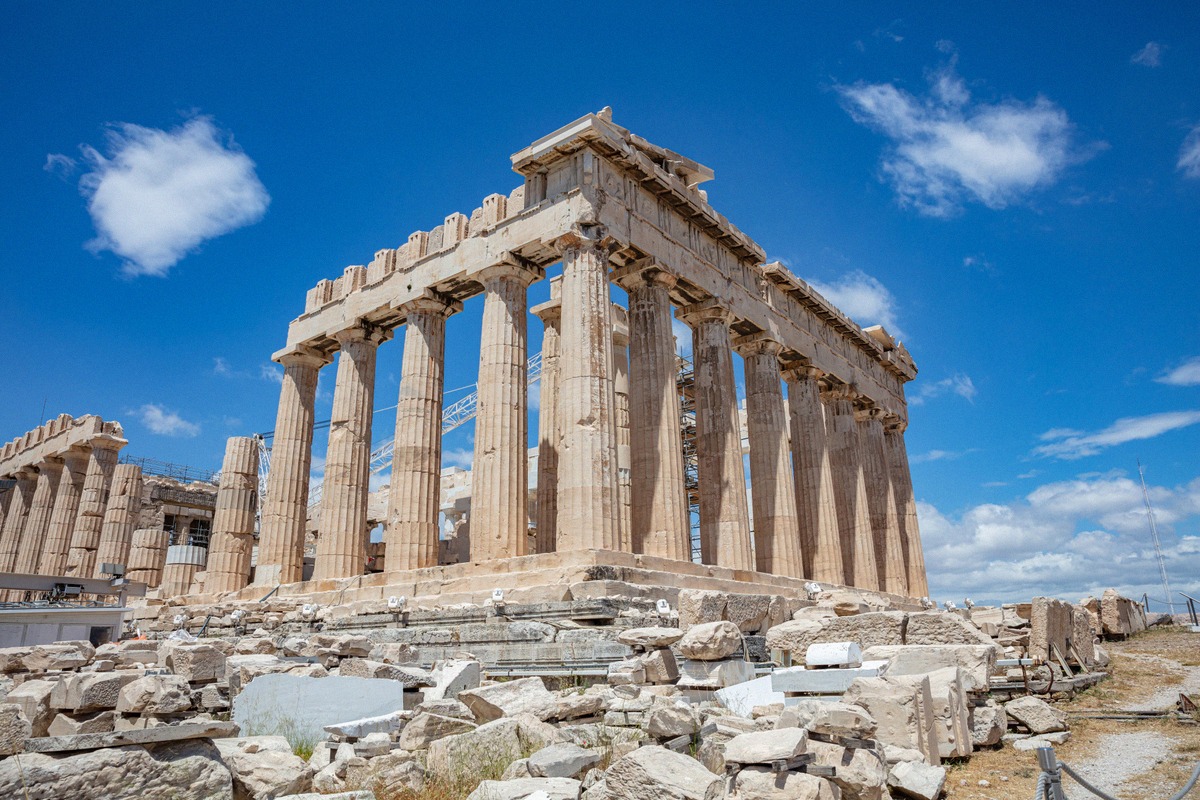
The Acropolis above Athens: the Parthenon, Erechtheion and Propylaea, admission, seasonal opening hours and the separate Acropolis Museum.
Acropolis Museum
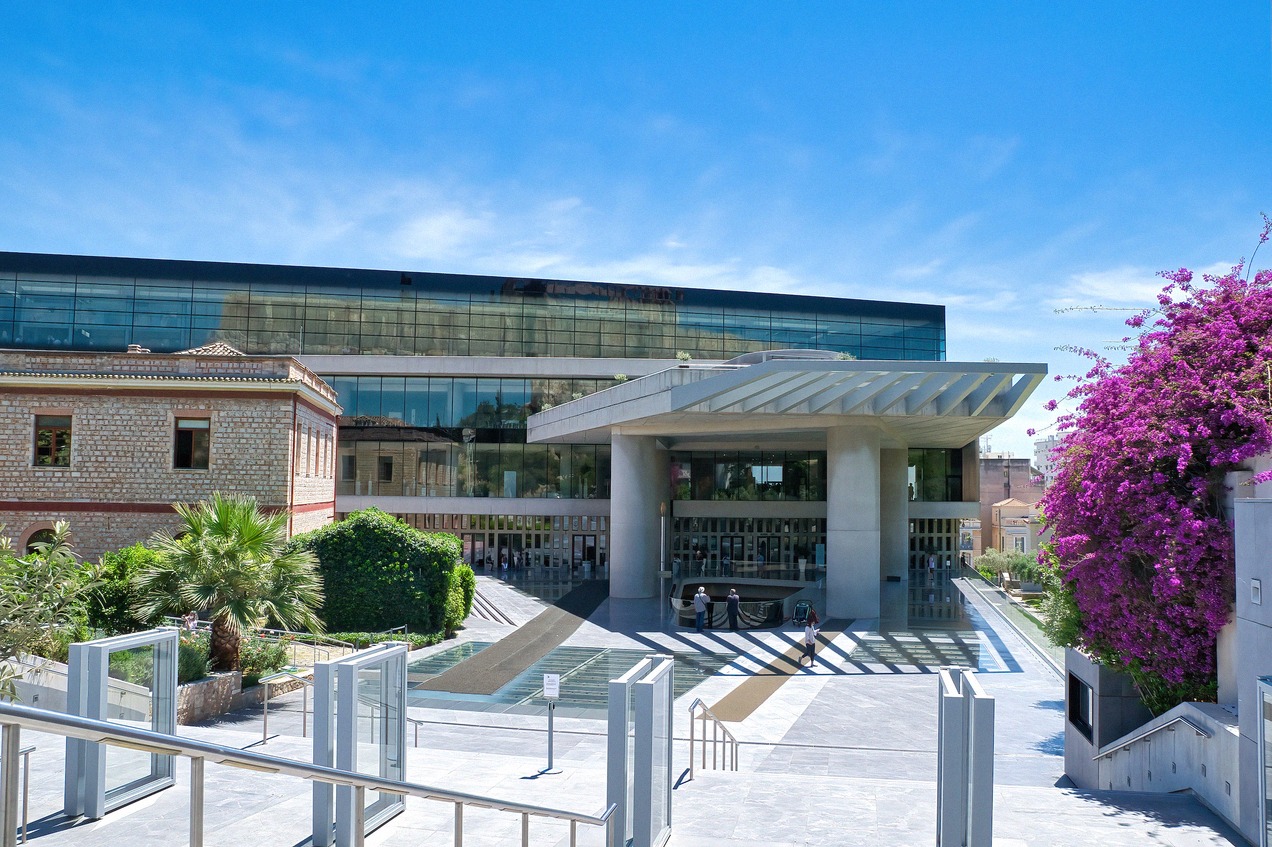
Archaic sculpture and the Parthenon’s carved decoration at the Acropolis Museum, with an excavated neighbourhood beneath the building, admission and winter hours.
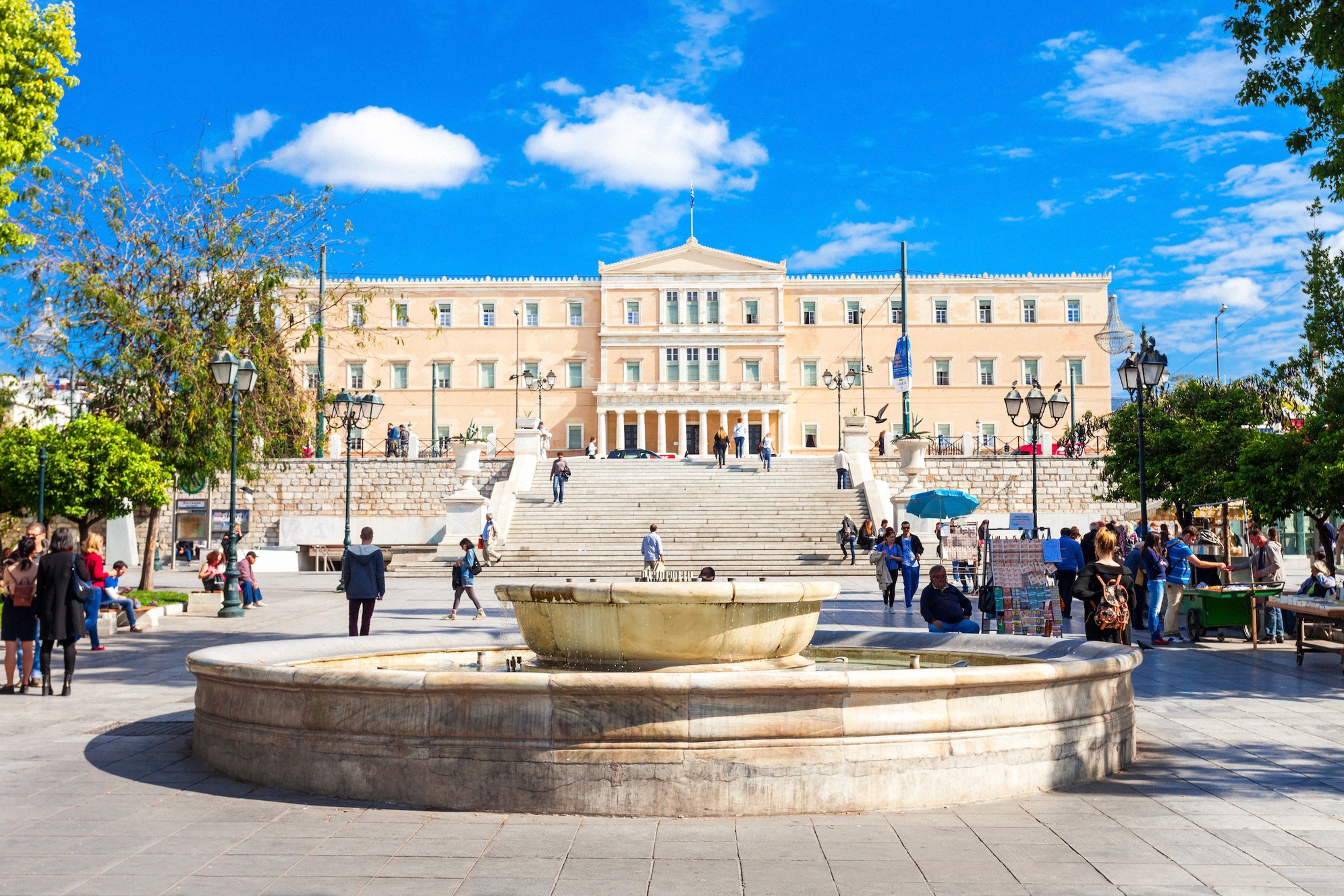
Syntagma Square
Syntagma Square brings together Parliament, the changing of the Evzone guard and two metro lines. The National Garden lies immediately behind Parliament.
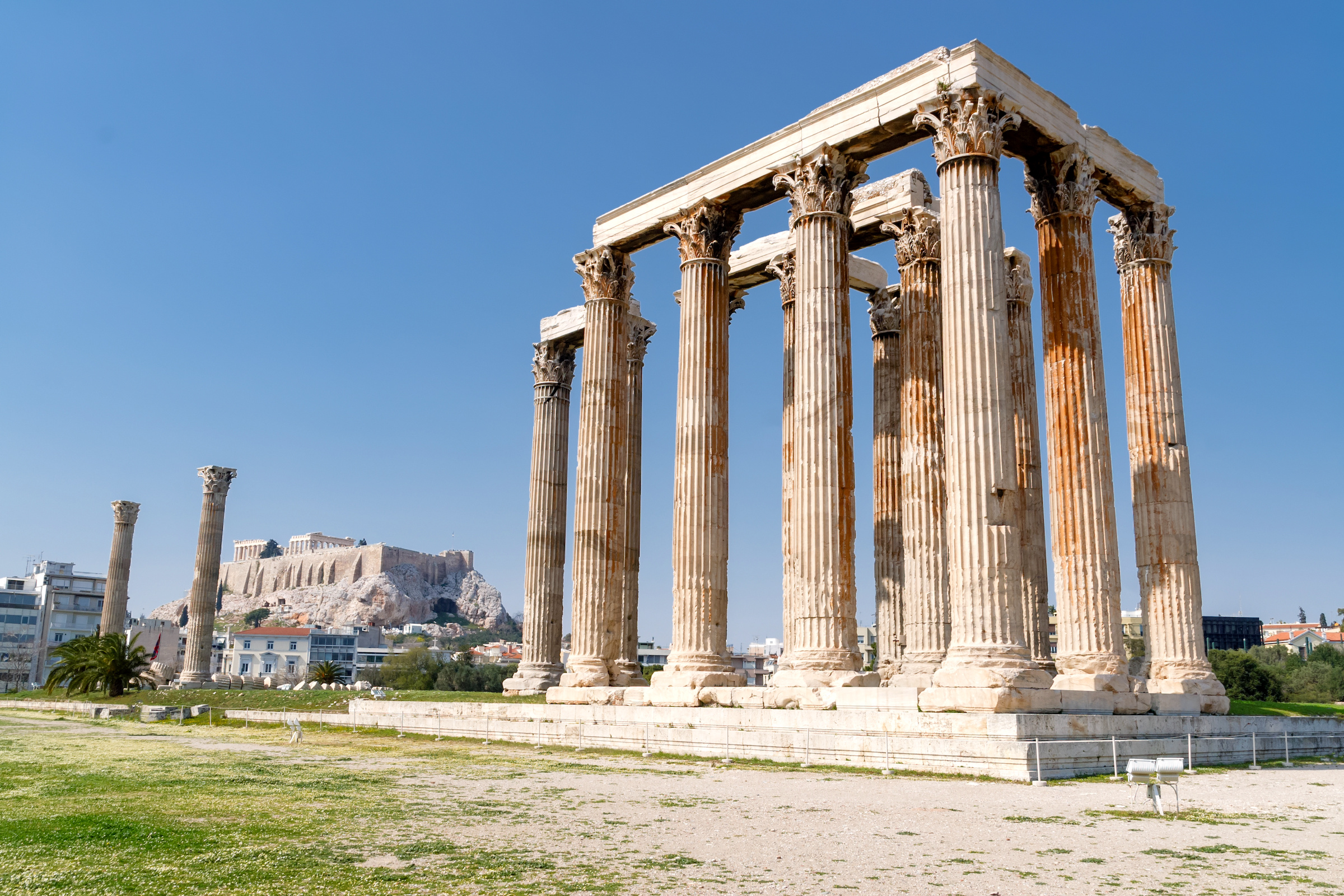
Temple of Olympian Zeus
The Temple of Olympian Zeus in Athens: Corinthian columns, Hadrian’s building project and the setting between the Acropolis and National Garden.
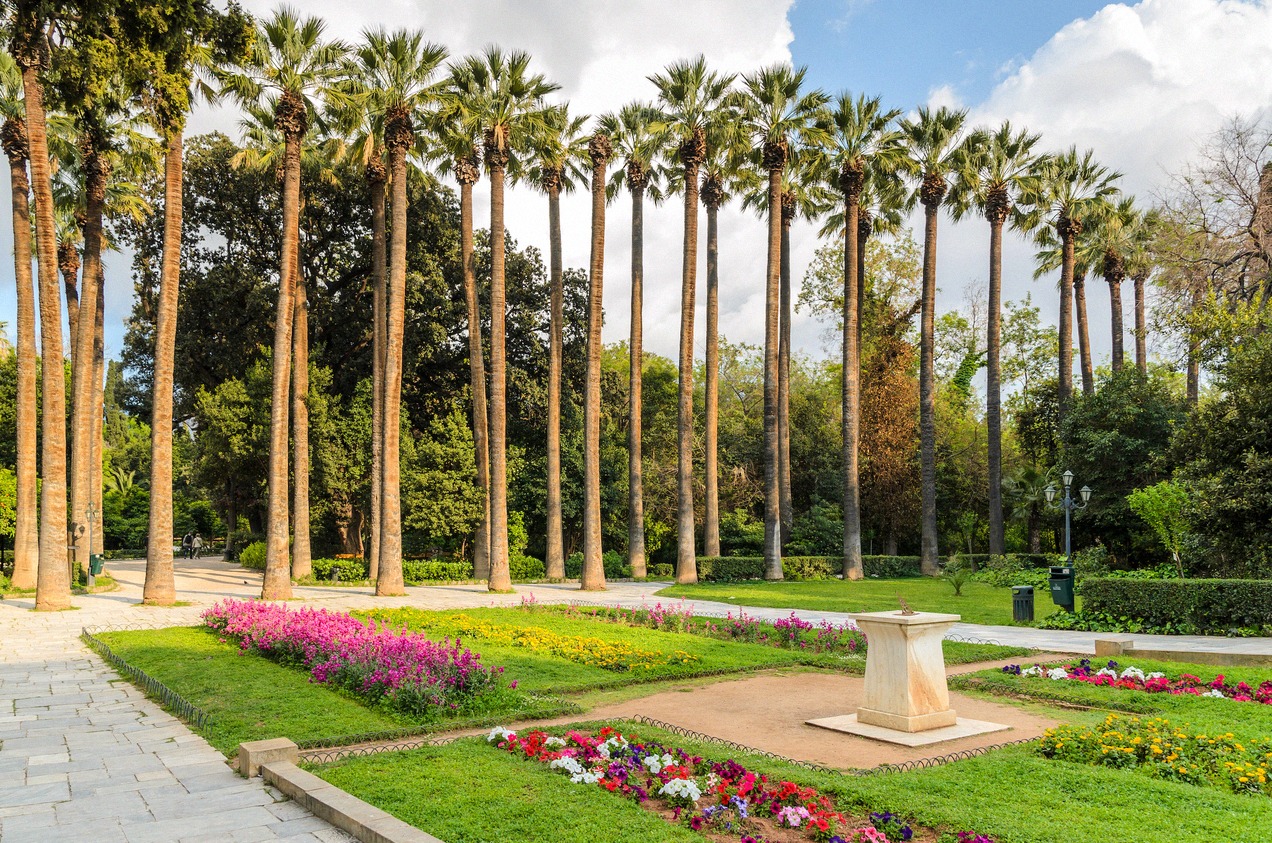
National Garden
Athens’ National Garden lies behind Parliament, with palms, ponds and winding paths. Its gates open daily from sunrise to sunset.