
Plaka
Old town lanes and Anafiotika below the Acropolis
Plaka brings together narrow lanes, neoclassical houses and Byzantine churches below the Acropolis. The whitewashed houses of Anafiotika sit higher on the hillside.
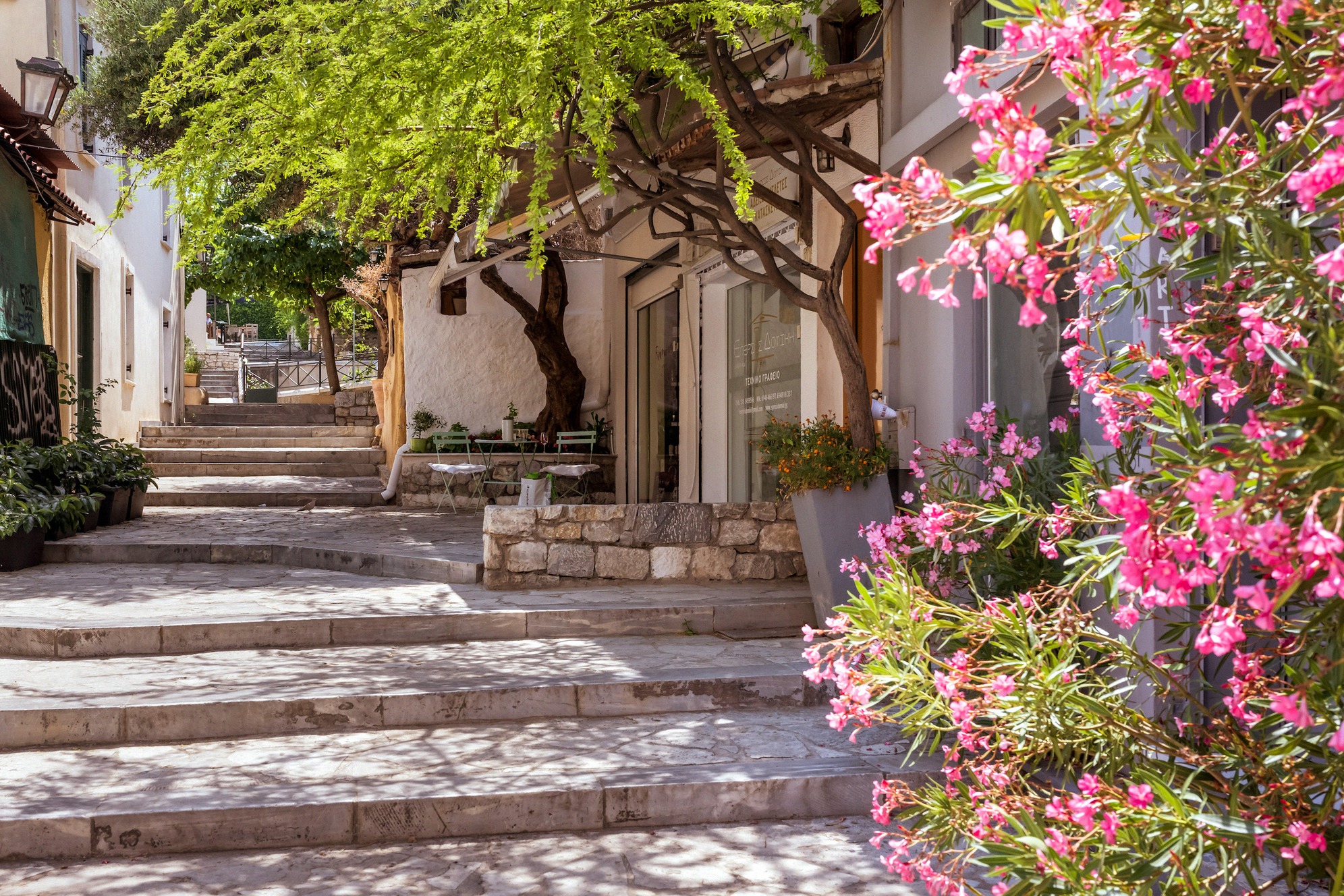
Lanes below the Acropolis
Plaka lies at the foot of the Acropolis. Between Adrianou, Kidathineon and the lanes towards Monastiraki, neoclassical houses stand beside Byzantine churches. Cafés, restaurants and souvenir shops line the busy streets. Older buildings remain part of an everyday neighbourhood, giving Plaka a character that extends beyond individual monuments.
Views of the Acropolis appear between the houses. The main landmarks help with orientation: the Acropolis above, Monastiraki to the west and the route to Syntagma Square further east.
Anafiotika on the hillside
The white houses of Anafiotika cluster close to the rock. Workers from the Cycladic island of Anafi established the small settlement. Narrow passages and steps distinguish it from the wider shopping streets of lower Plaka.
Anafiotika is also a residential area. Its tight lanes suit a quiet walk, while bulky luggage or a pushchair makes the stepped streets harder to navigate. For a walk without steps, the lower shopping streets are easier to navigate than the hillside settlement.
Smaller sights among the houses
The Monument of Lysicrates stands on a square with cafés at the edge of the neighbourhood. Smaller collections, including the Museum of Greek Folk Musical Instruments and the Kanellopoulos Museum, complement the major ancient sites. Each museum has its own opening hours.
Plaka’s streets and the entrance to the Acropolis are separate places to visit. A walk around the neighbourhood can therefore be arranged independently of a hilltop entry slot. The Acropolis Museum is a separate visit too.
Nearby
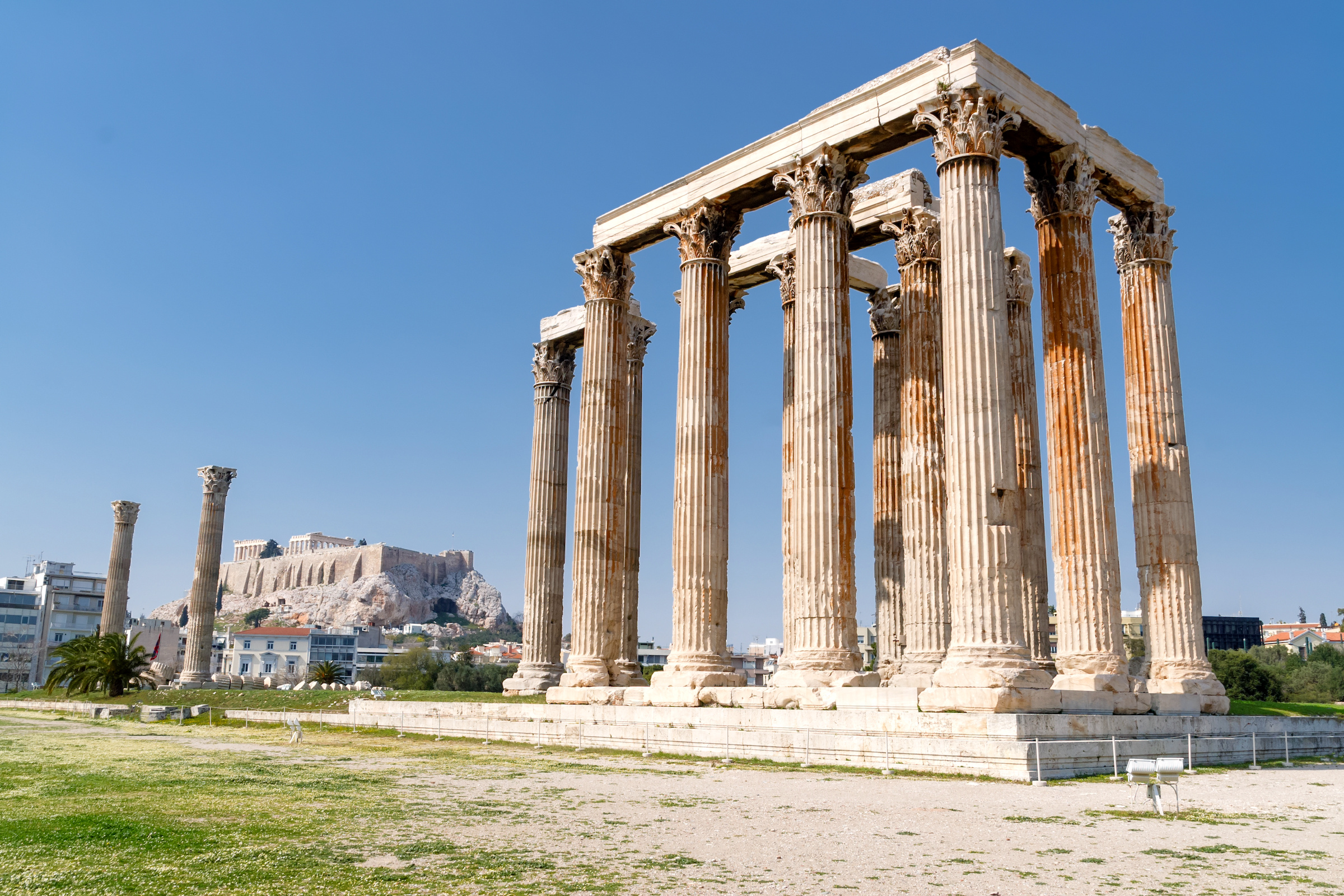
Temple of Olympian Zeus
The Temple of Olympian Zeus in Athens: Corinthian columns, Hadrian’s building project and the setting between the Acropolis and National Garden.
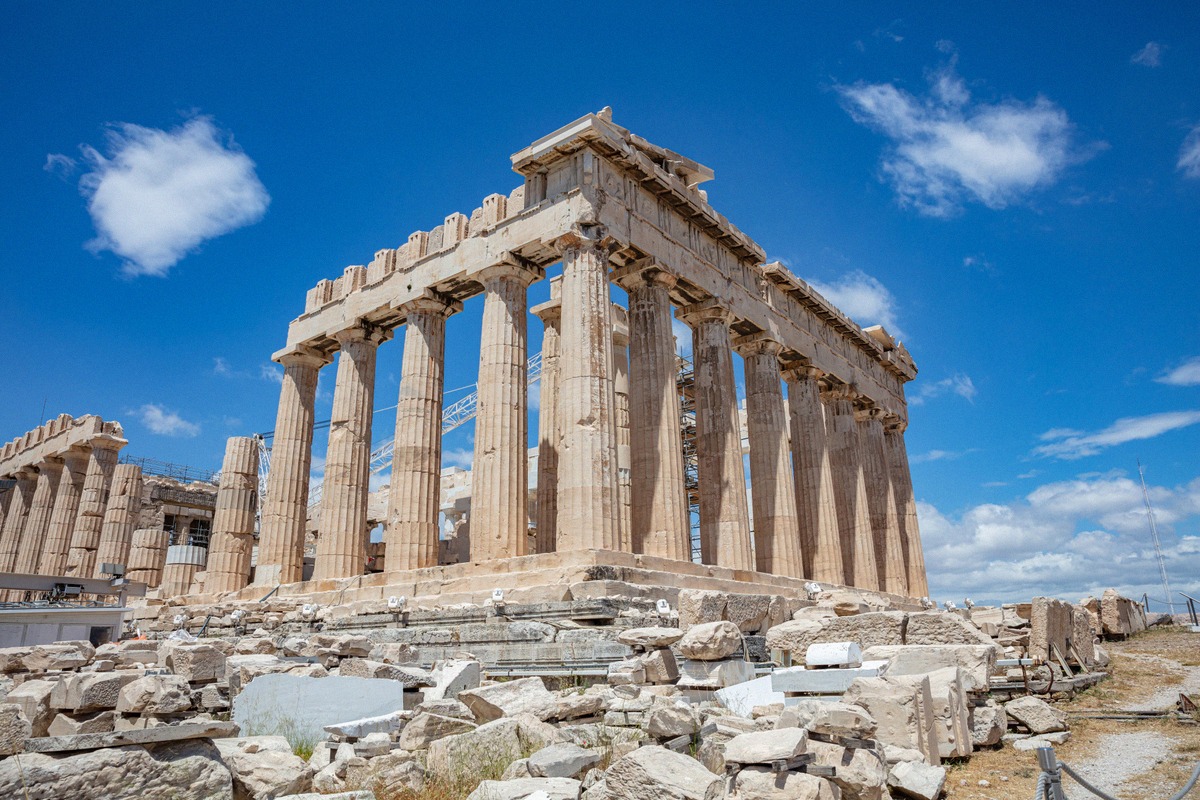
Acropolis
The Acropolis above Athens: the Parthenon, Erechtheion and Propylaea, admission, seasonal opening hours and the separate Acropolis Museum.
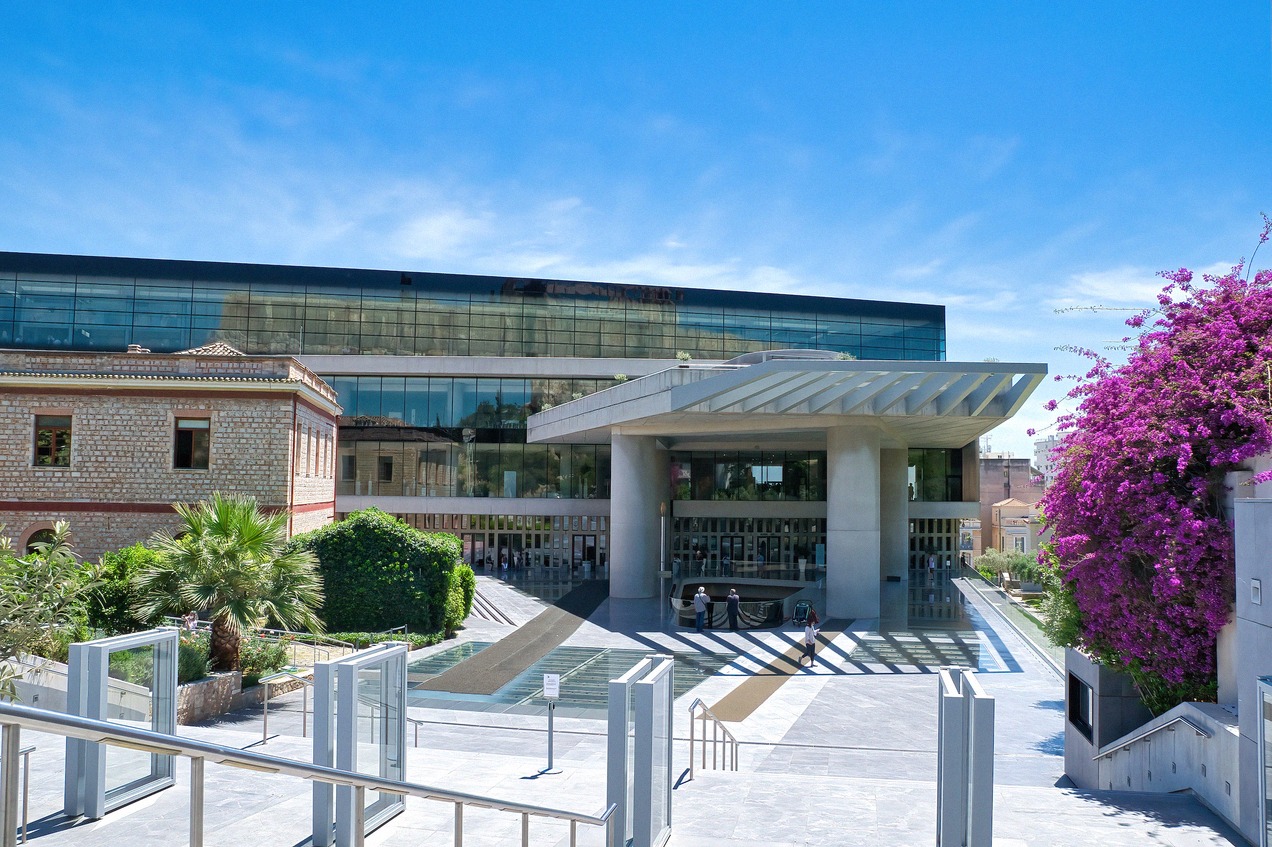
Acropolis Museum
Archaic sculpture and the Parthenon’s carved decoration at the Acropolis Museum, with an excavated neighbourhood beneath the building, admission and winter hours.
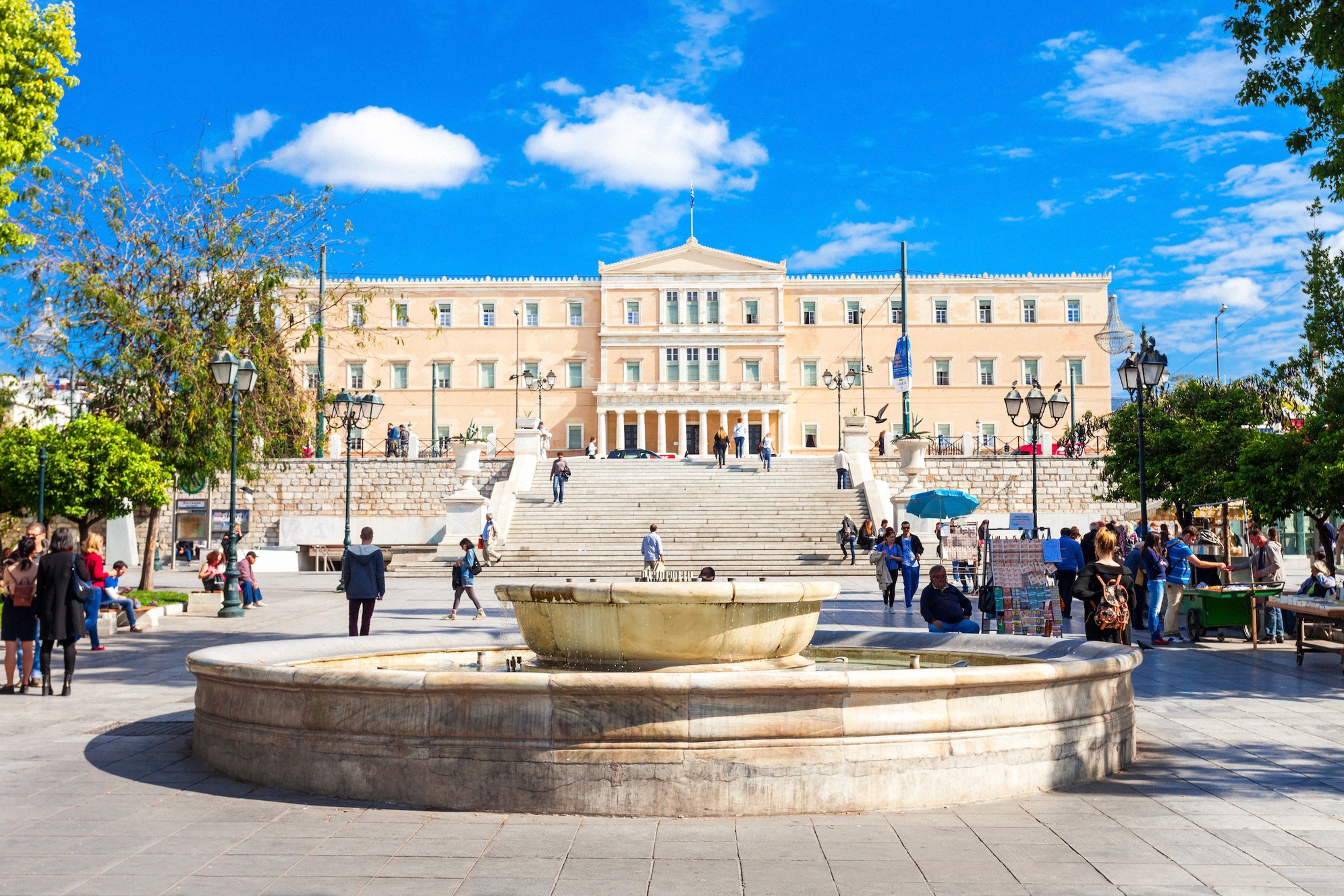
Syntagma Square
Syntagma Square brings together Parliament, the changing of the Evzone guard and two metro lines. The National Garden lies immediately behind Parliament.
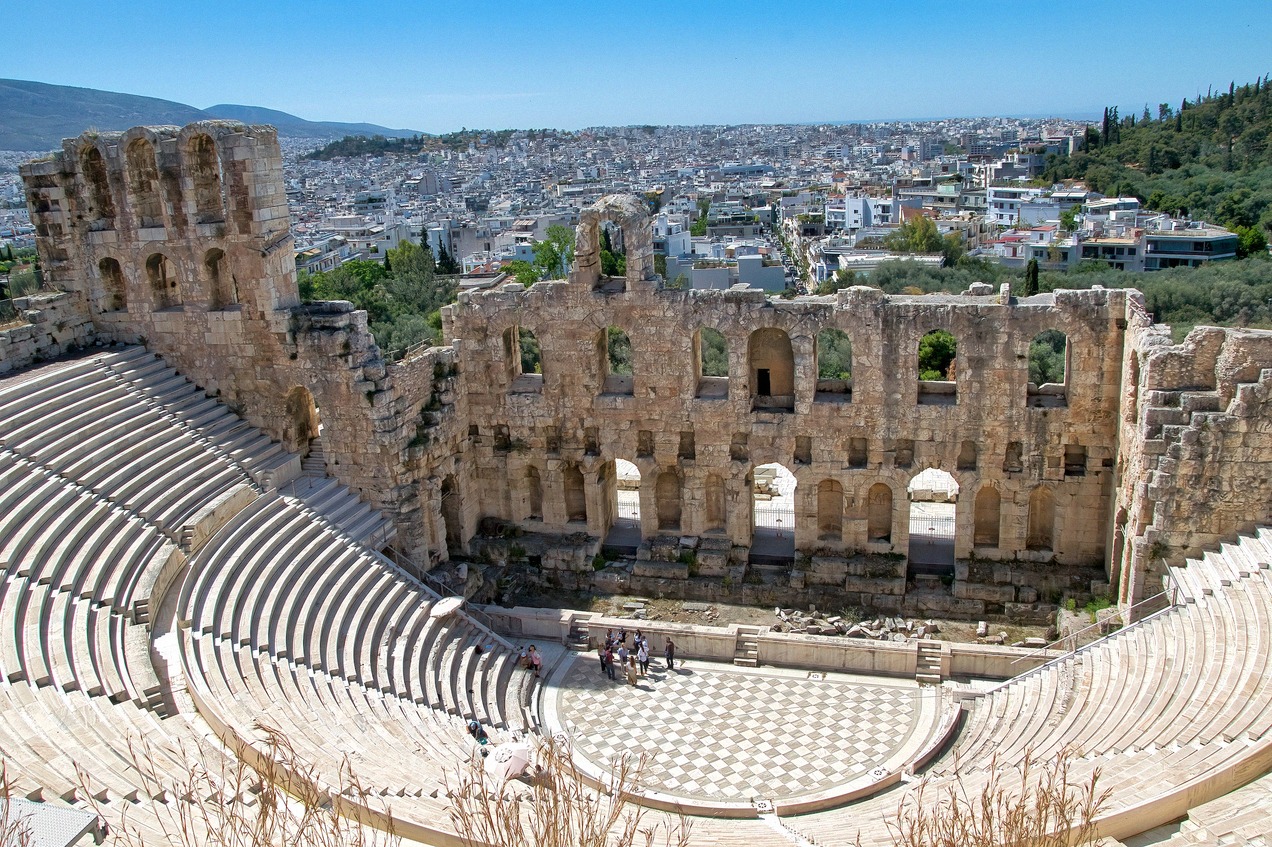
Odeon of Herodes Atticus
The Odeon of Herodes Atticus stands on the southern slopes of the Acropolis. Following farewell performances in June 2026, it is closed for several years of restoration.
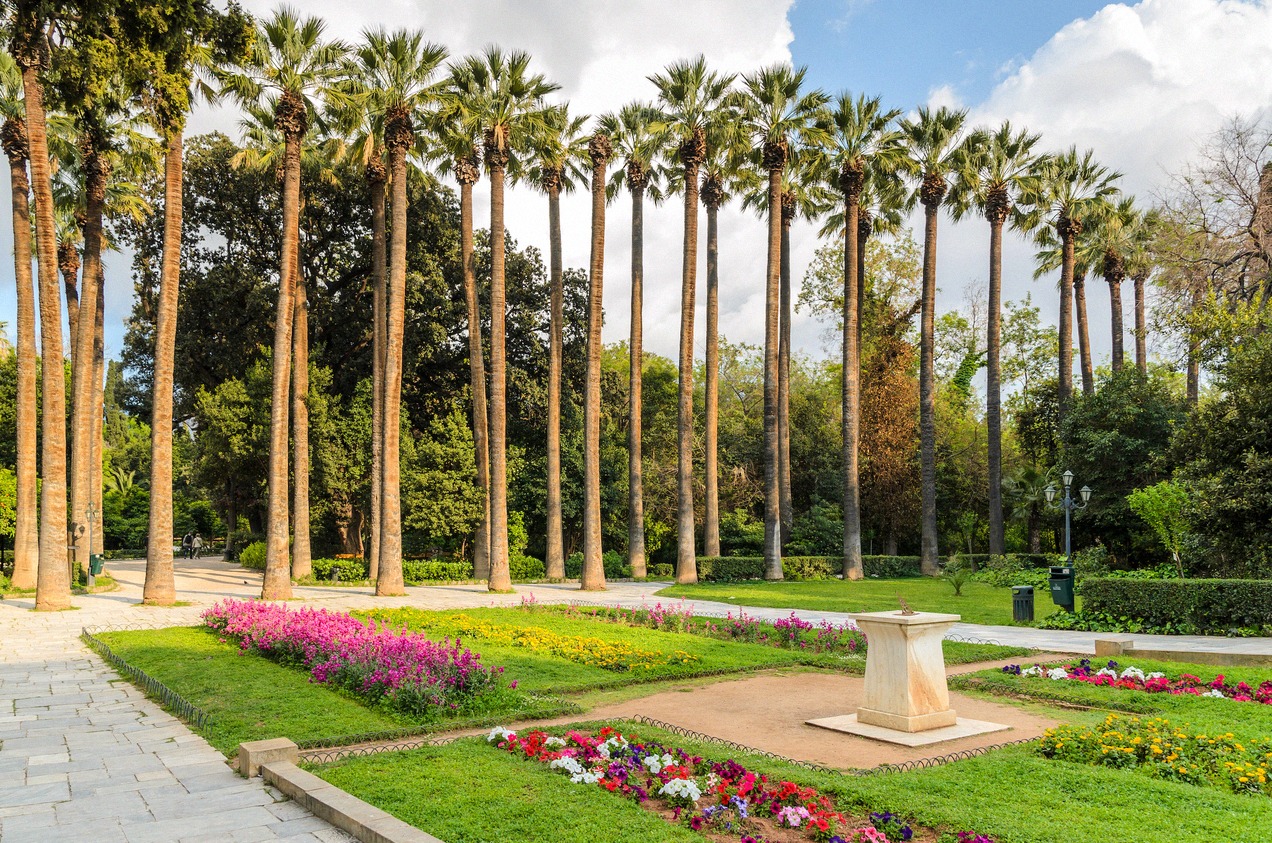
National Garden
Athens’ National Garden lies behind Parliament, with palms, ponds and winding paths. Its gates open daily from sunrise to sunset.