
National Archaeological Museum
Mycenae, the Cyclades and the Antikythera mechanism
Athens’ National Archaeological Museum holds Mycenaean grave finds, Cycladic figures and the Antikythera mechanism. Admission and visiting information.
Contents
Greece beyond Athens
The National Archaeological Museum holds finds from many regions of Greece, from prehistory to late antiquity. Unlike the Acropolis Museum, it does not focus on the Acropolis rock. Its collections reach the Cyclades, Mycenae and Thera, and trace the trading routes of the Mediterranean.
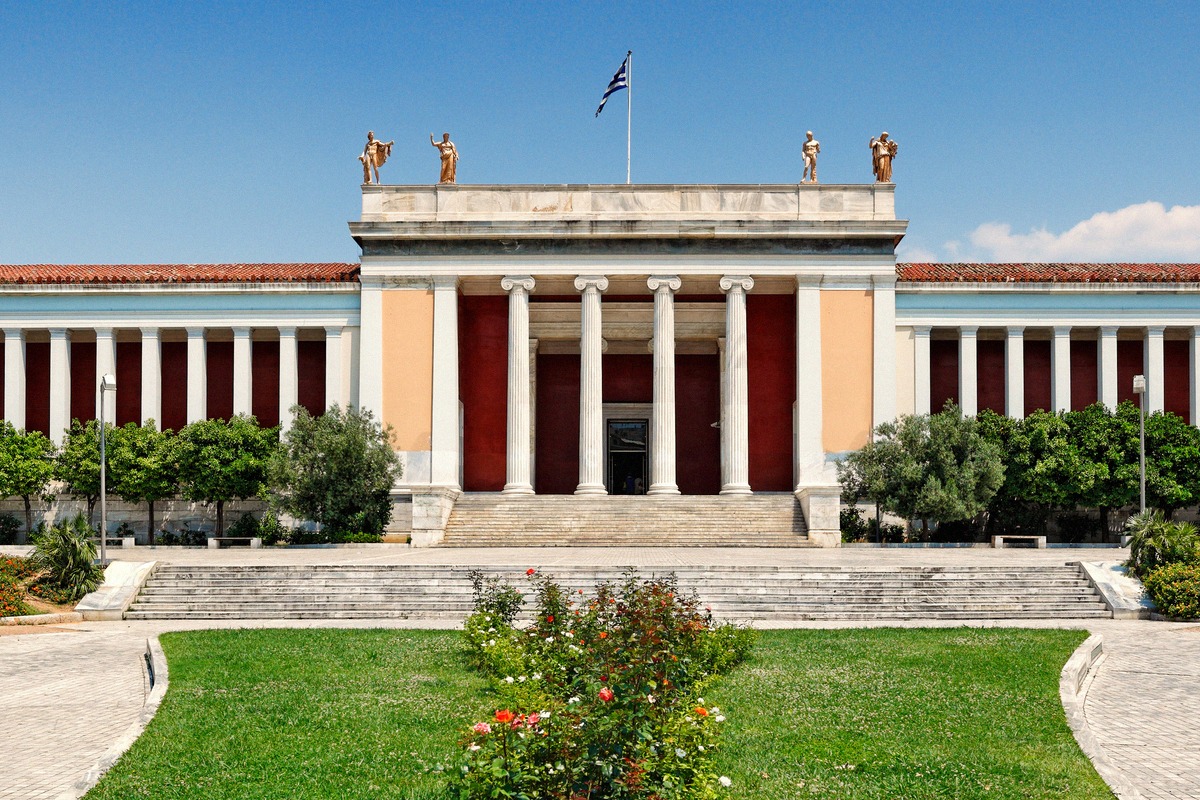
The museum was founded in 1866 and opened in 1889. Ludwig Lange and Panagis Kalkos supplied designs for the neoclassical building; Ernst Ziller gave the façade its final form. The columned frontage and garden stand on Patission Street, north of the historic centre.
Mycenae, the Cyclades and Thera
The prehistoric collections include goldwork and grave goods from the royal tombs of Mycenae. One of the best-known gold finds is the so-called Mask of Agamemnon. Its name goes back to Schliemann, although the burial predates the period associated with the Trojan War. Marble figures and vessels from the Cyclades reveal the art of the island communities. The wall paintings from Thera come from Akrotiri on Santorini, which was buried beneath volcanic ash.
Linear B tablets add written evidence from the Mycenaean world. The sculpture collection then follows developments from the Archaic to the Roman period. Small everyday objects appear alongside large religious and funerary figures.
The metalwork includes original bronze statues, small figures, vessels and weapons. The larger figures include the Artemision god and the Antikythera Youth. Whether the god, poised with an outstretched arm, represents Zeus or Poseidon remains uncertain: the object once held in his hand is lost. Vases from Attic and Corinthian workshops add ceramics to the sculpture displays. Egyptian and Cypriot antiquities extend the collection’s geographical range.
The Antikythera mechanism
The surviving bronze fragments came from an ancient shipwreck near Antikythera. Inside them was a system of gears that calculated astronomical movements and calendar cycles. Among other functions, it could predict solar and lunar eclipses. The instrument combined mathematical knowledge with finely made mechanics.
The fragments are among the museum’s most significant exhibits. Their modest appearance contrasts sharply with the neighbouring sculptures; their importance lies in the surviving arrangement of gears and the inscribed surfaces.
Visiting Patission
The museum lies beyond the circuit between the Acropolis and Plaka. Victoria metro station on M1 and Omonia on M1/M2 are within walking distance. On Tuesdays, the museum opens at 13:00 and stays open until 20:00. The collection merits a dedicated visit rather than a brief stop at the end of a long day among archaeological sites.
Frequently asked questions
Is the National Archaeological Museum the Acropolis Museum? +
What is the Antikythera mechanism? +
Nearby
Mount Lycabettus
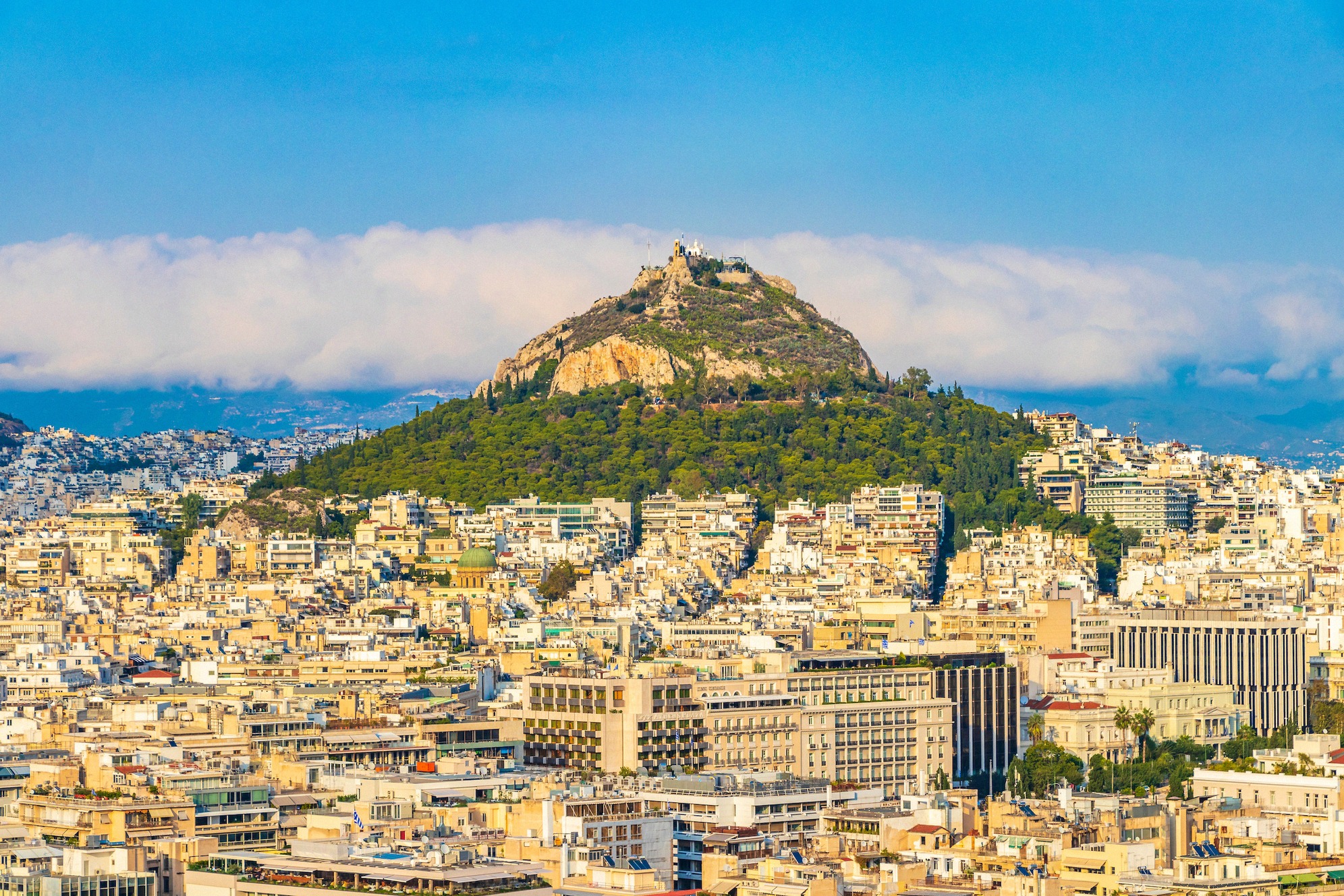
The 277-metre Mount Lycabettus overlooks Athens. A steep footpath and a funicular from Kolonaki lead up the city’s hill.
Syntagma Square
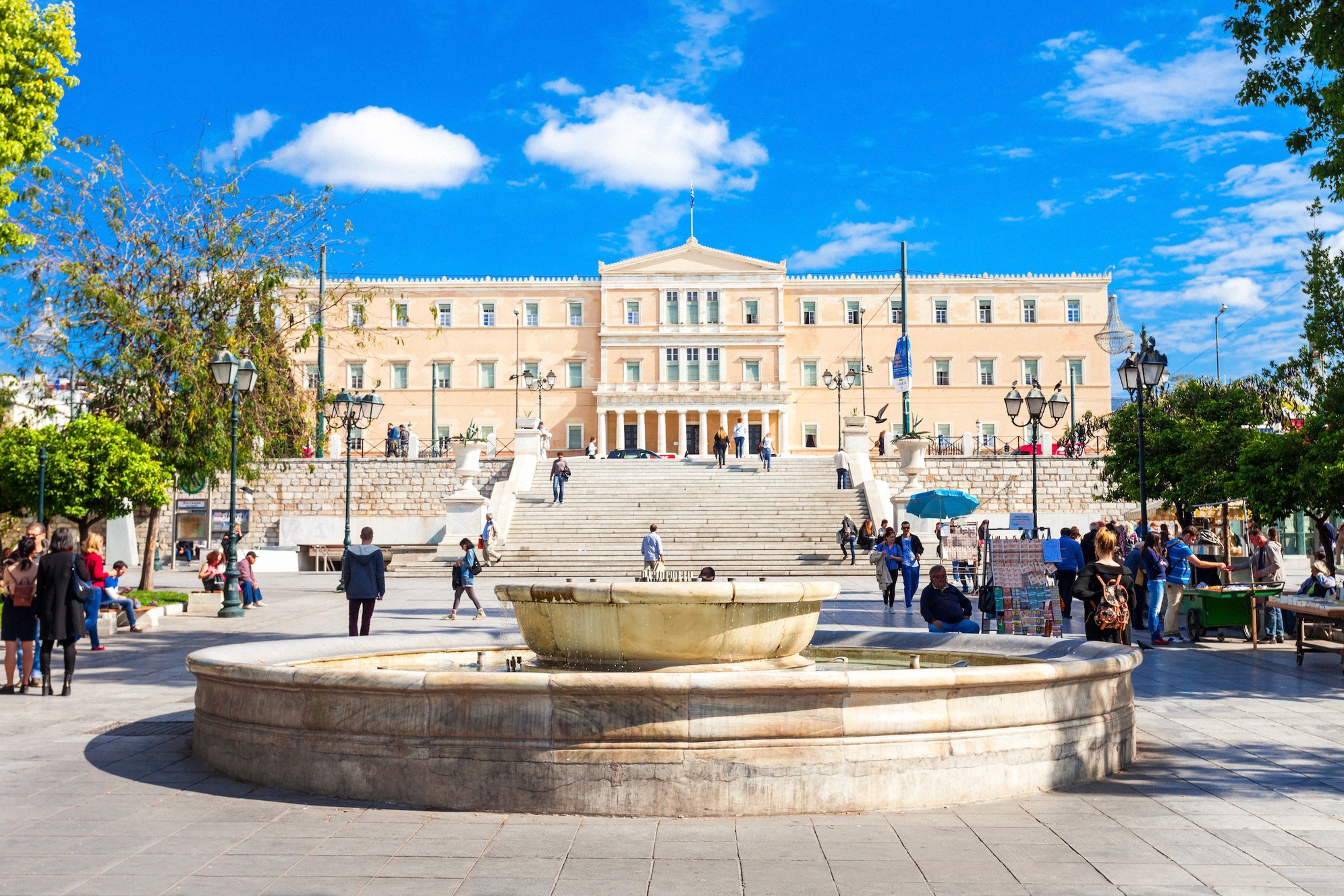
Syntagma Square brings together Parliament, the changing of the Evzone guard and two metro lines. The National Garden lies immediately behind Parliament.
Ancient Agora
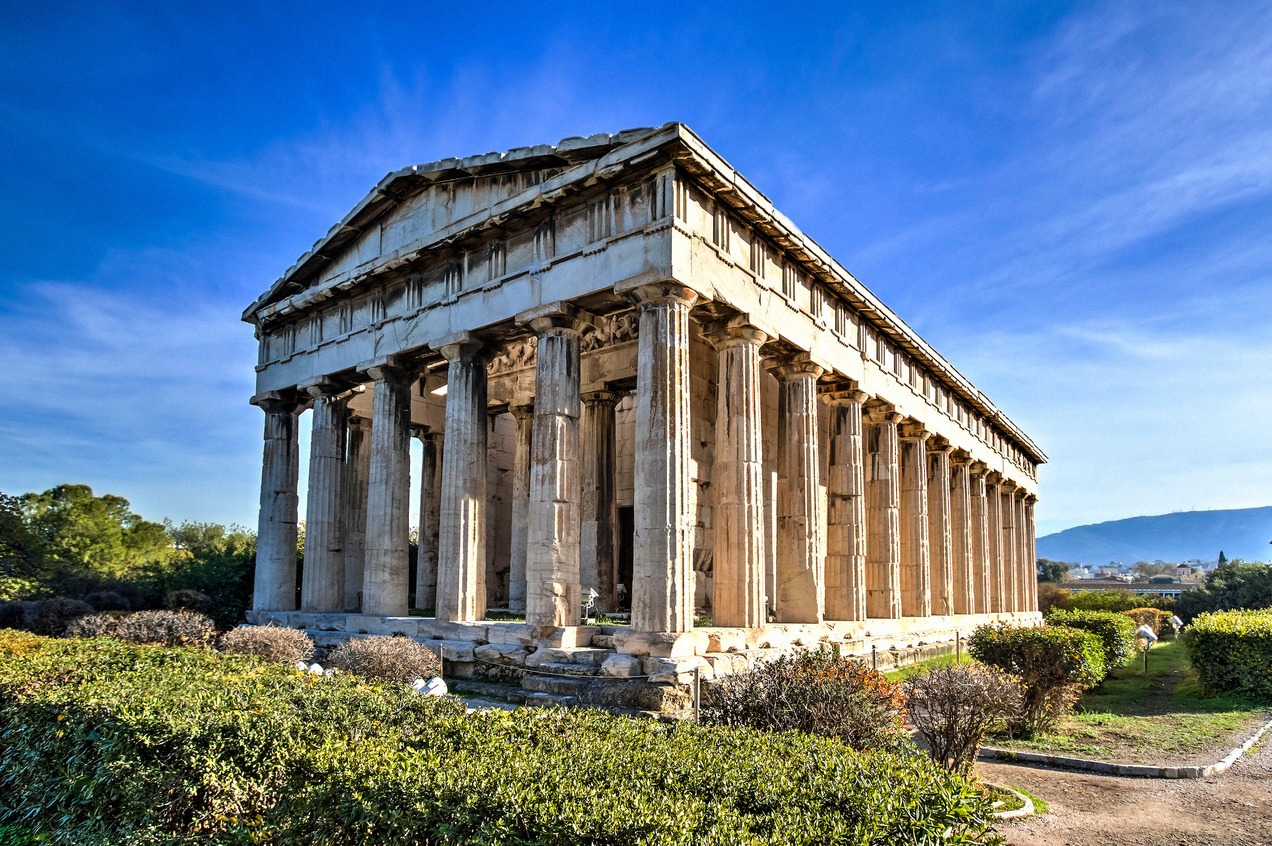
Athens’ Ancient Agora, with the Temple of Hephaestus and Stoa of Attalos, was the political and commercial centre below the Acropolis.
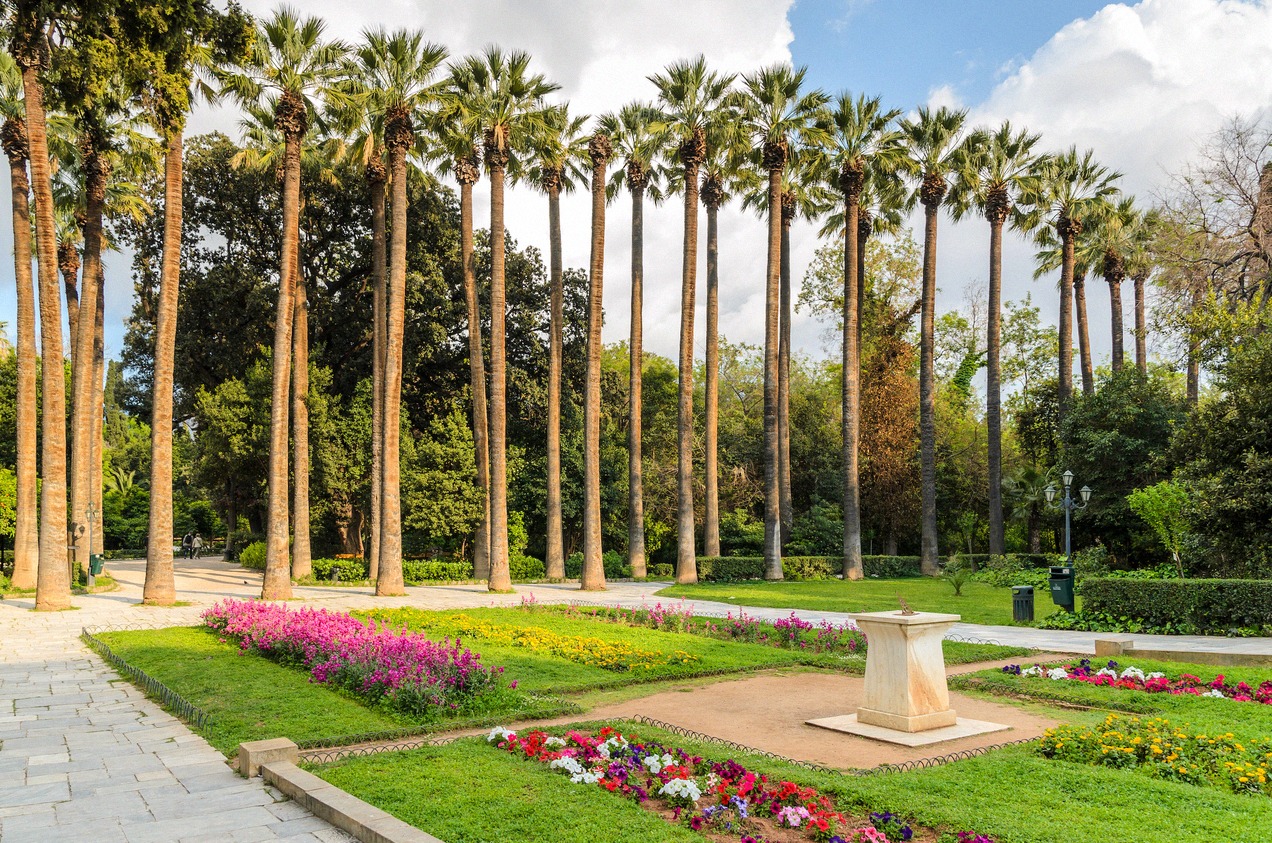
National Garden
Athens’ National Garden lies behind Parliament, with palms, ponds and winding paths. Its gates open daily from sunrise to sunset.
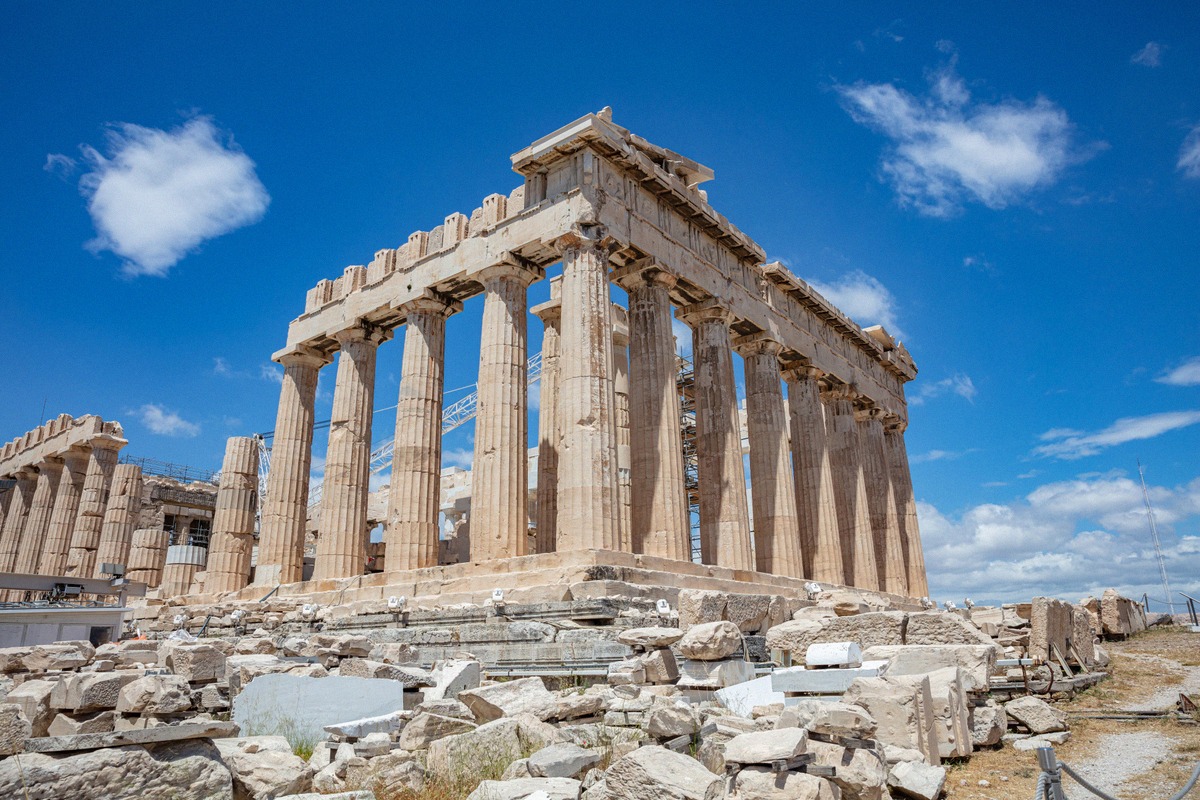
Acropolis
The Acropolis above Athens: the Parthenon, Erechtheion and Propylaea, admission, seasonal opening hours and the separate Acropolis Museum.
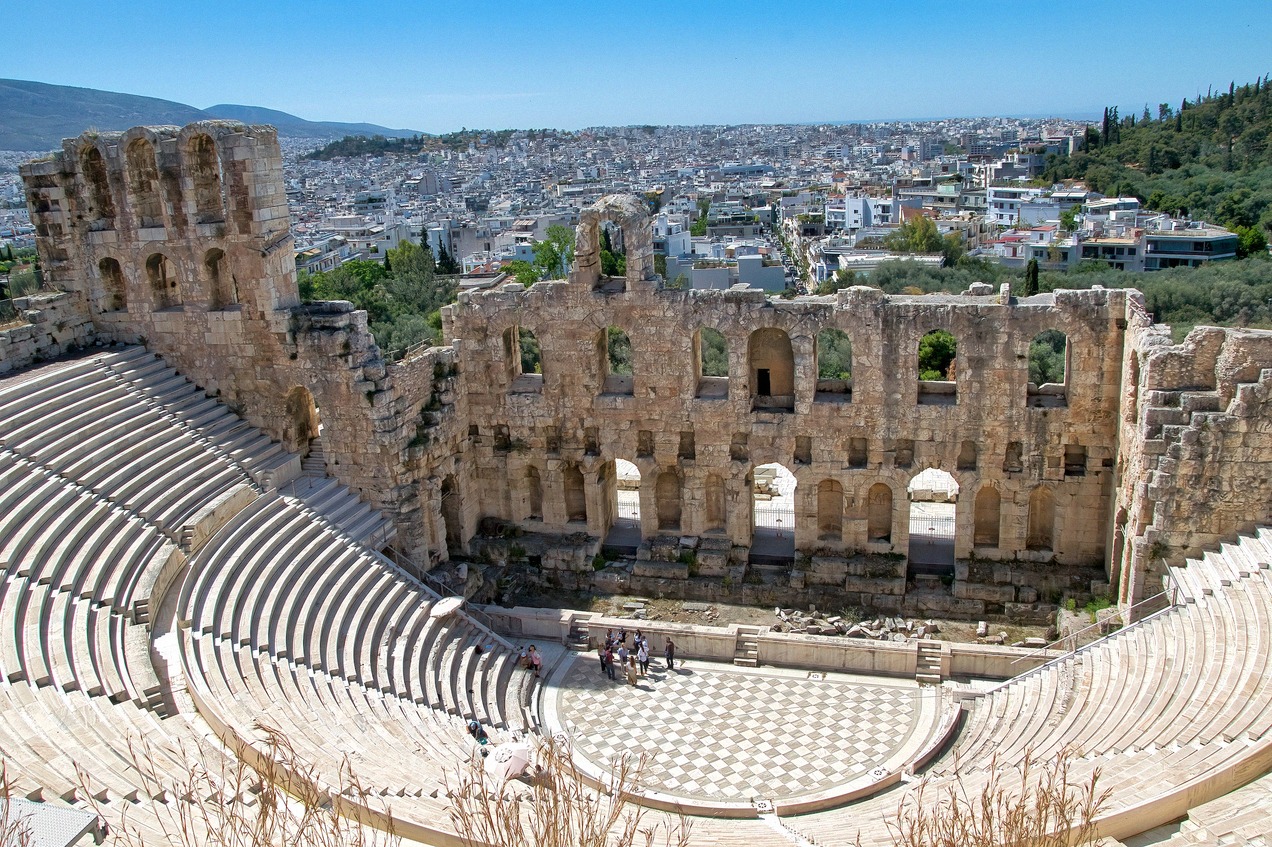
Odeon of Herodes Atticus
The Odeon of Herodes Atticus stands on the southern slopes of the Acropolis. Following farewell performances in June 2026, it is closed for several years of restoration.