
Things to do in Athens
Set aside a morning for the Acropolis and the museum below it. On the other side of the hill, a walk through the Agora ends in the market streets of Monastiraki.
Sights in Athens
Acropolis
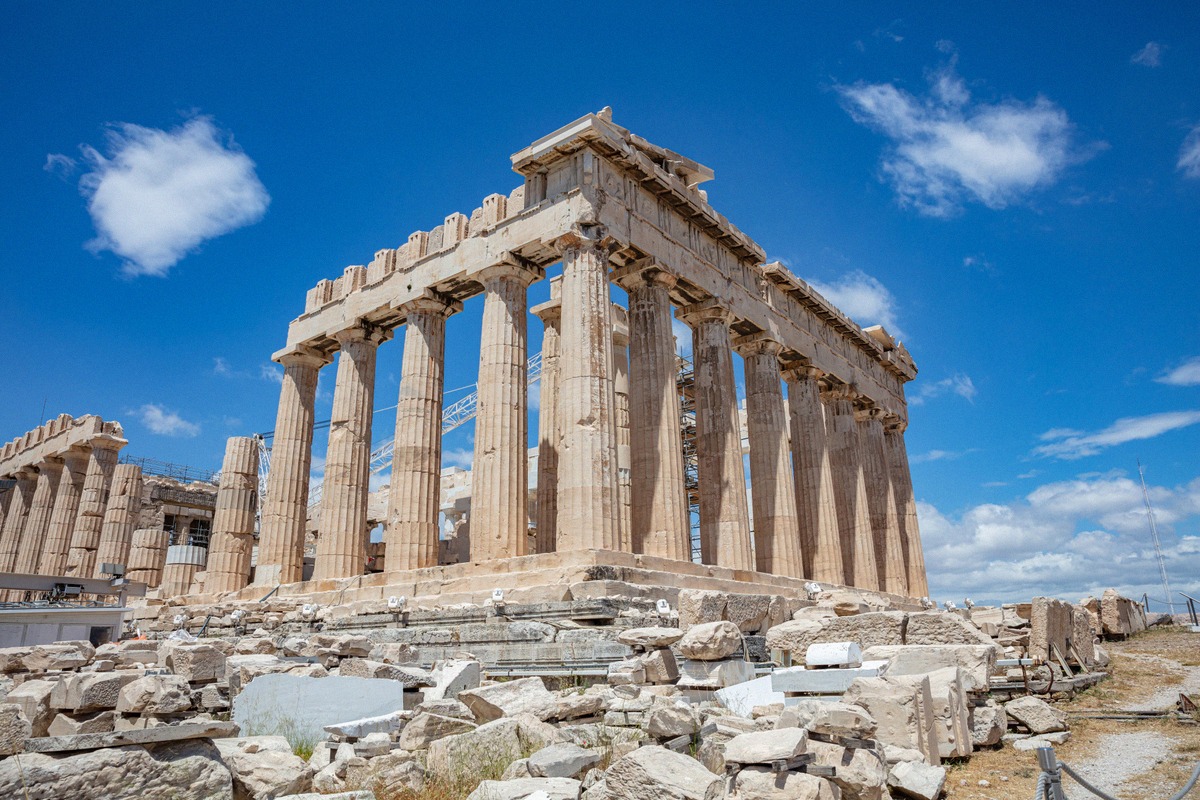
The Acropolis above Athens: the Parthenon, Erechtheion and Propylaea, admission, seasonal opening hours and the separate Acropolis Museum.
Acropolis Museum
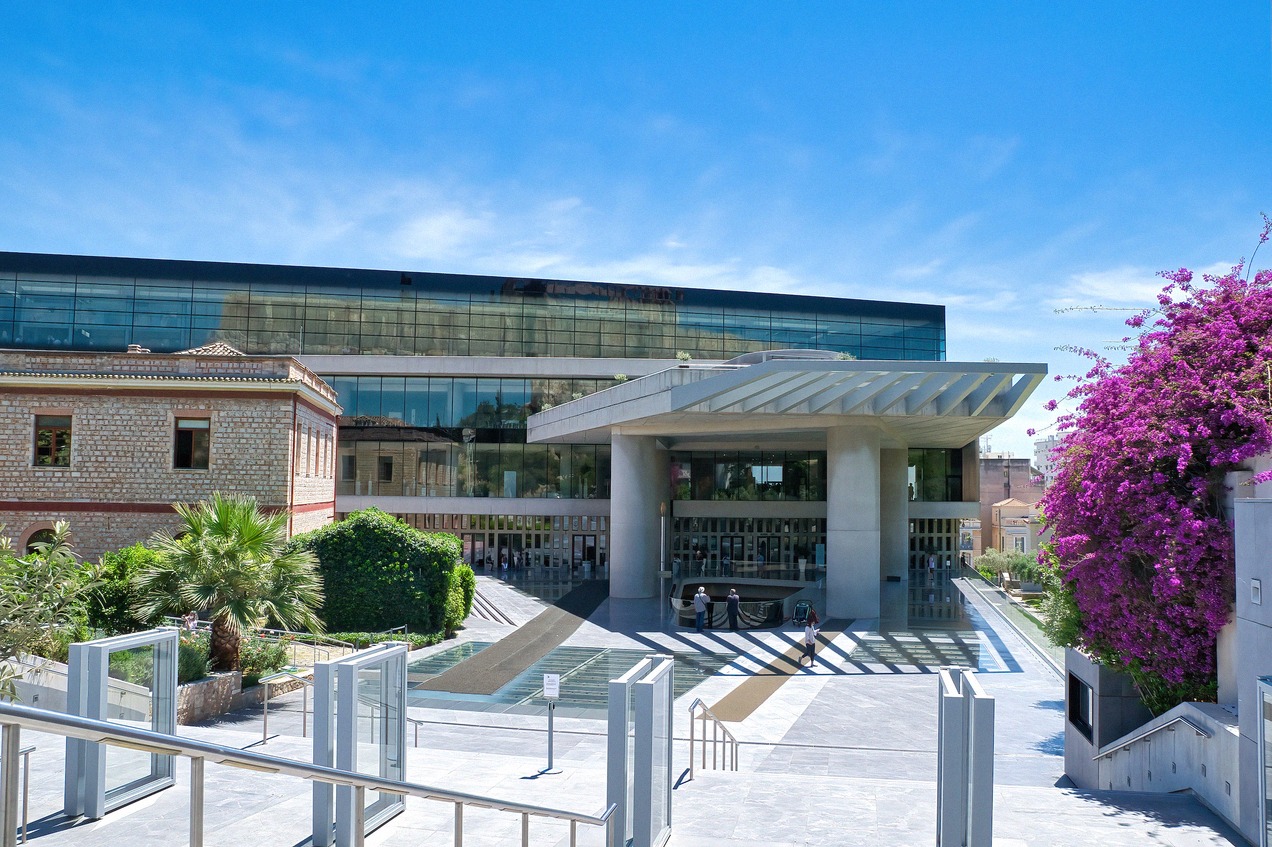
Archaic sculpture and the Parthenon’s carved decoration at the Acropolis Museum, with an excavated neighbourhood beneath the building, admission and winter hours.
Ancient Agora
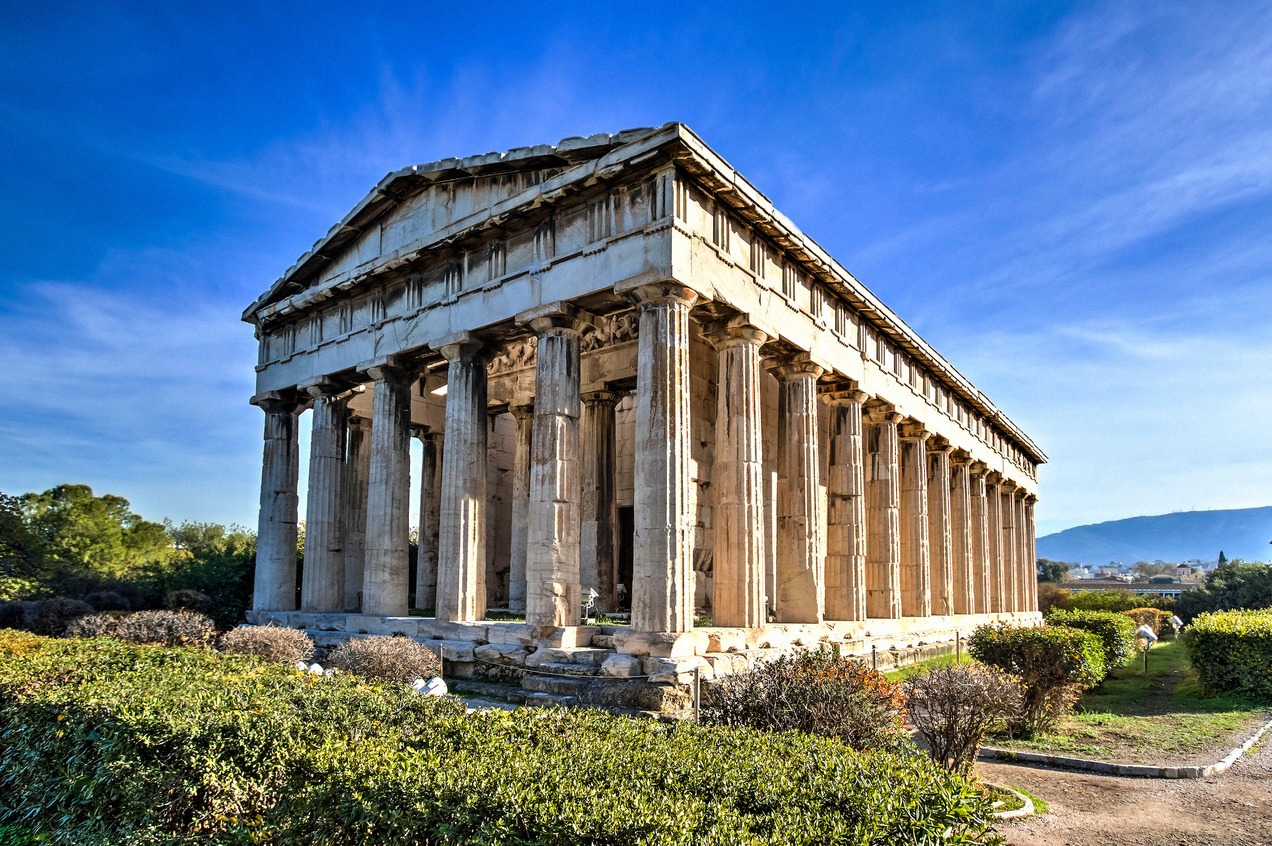
Athens’ Ancient Agora, with the Temple of Hephaestus and Stoa of Attalos, was the political and commercial centre below the Acropolis.
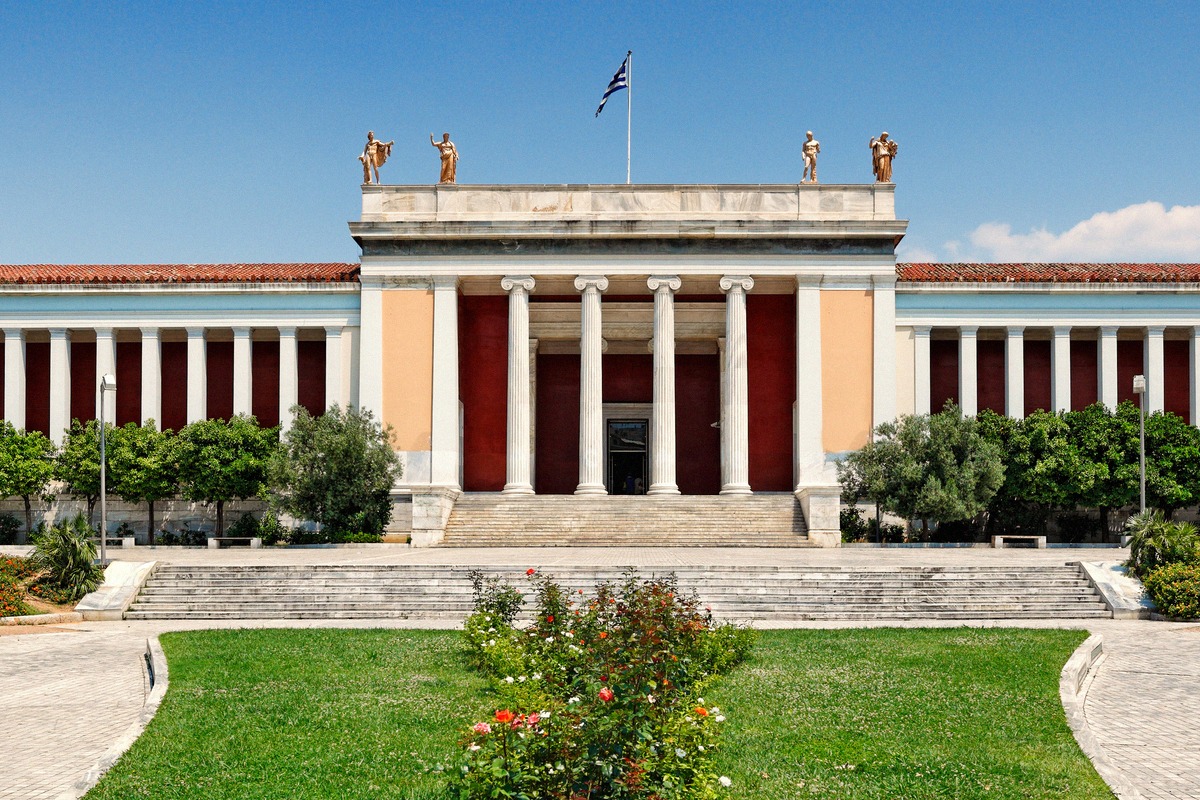
National Archaeological Museum
Athens’ National Archaeological Museum holds Mycenaean grave finds, Cycladic figures and the Antikythera mechanism. Admission and visiting information.
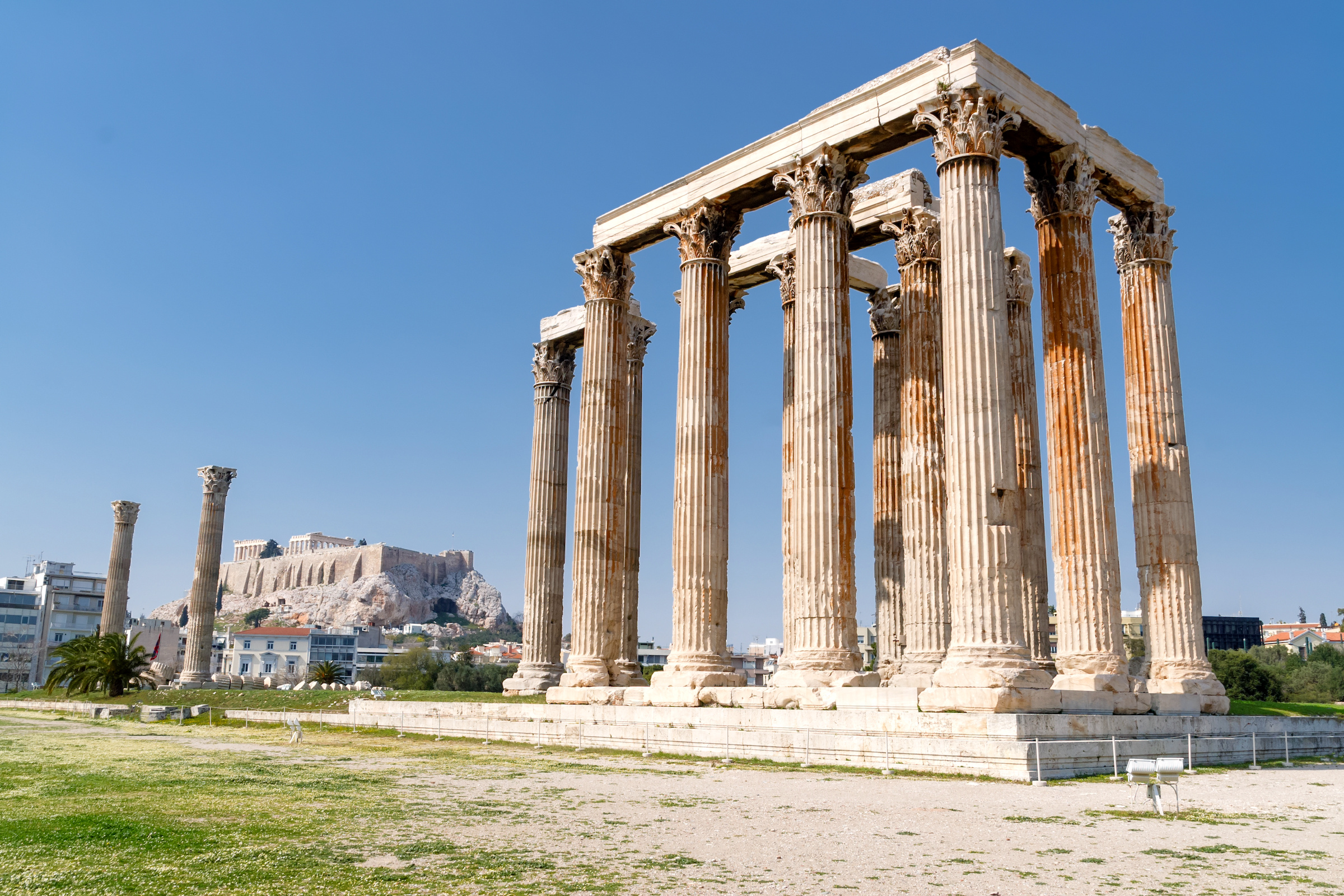
Temple of Olympian Zeus
The Temple of Olympian Zeus in Athens: Corinthian columns, Hadrian’s building project and the setting between the Acropolis and National Garden.
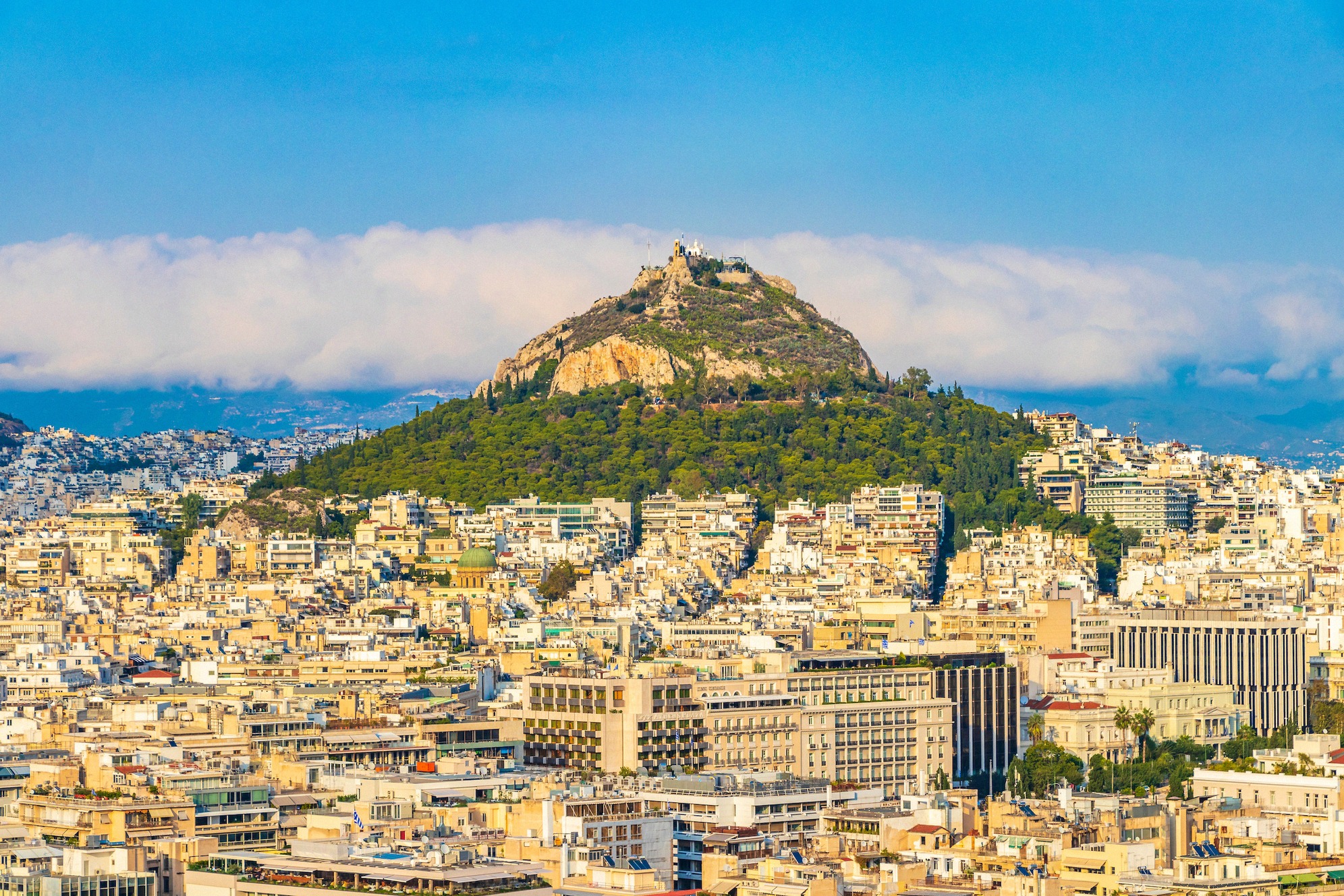
Mount Lycabettus
The 277-metre Mount Lycabettus overlooks Athens. A steep footpath and a funicular from Kolonaki lead up the city’s hill.
Panathenaic Stadium
Athens’ Panathenaic Stadium links ancient sporting history with the Olympic Games of 1896. Admission, museum and opening hours.
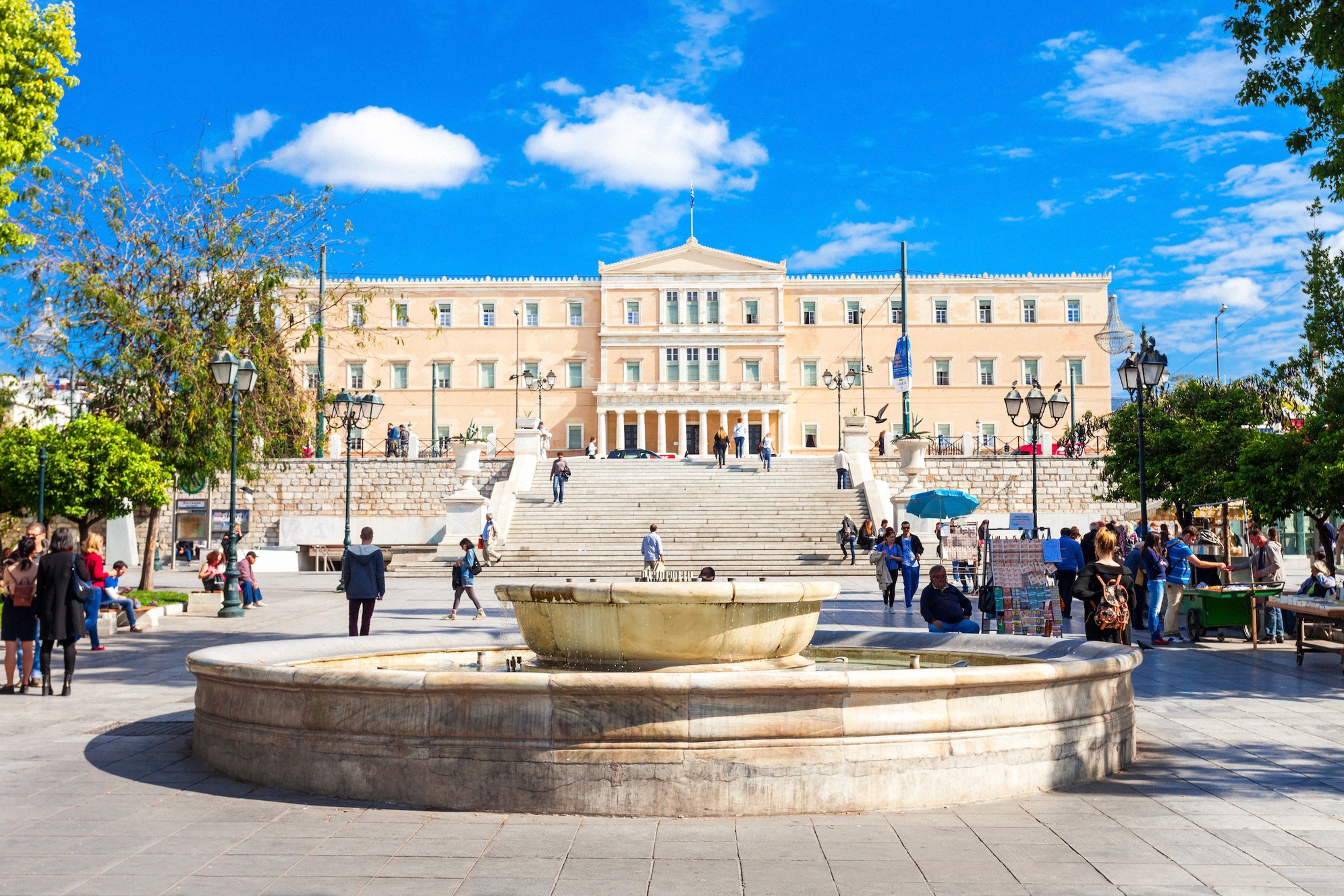
Syntagma Square
Syntagma Square brings together Parliament, the changing of the Evzone guard and two metro lines. The National Garden lies immediately behind Parliament.
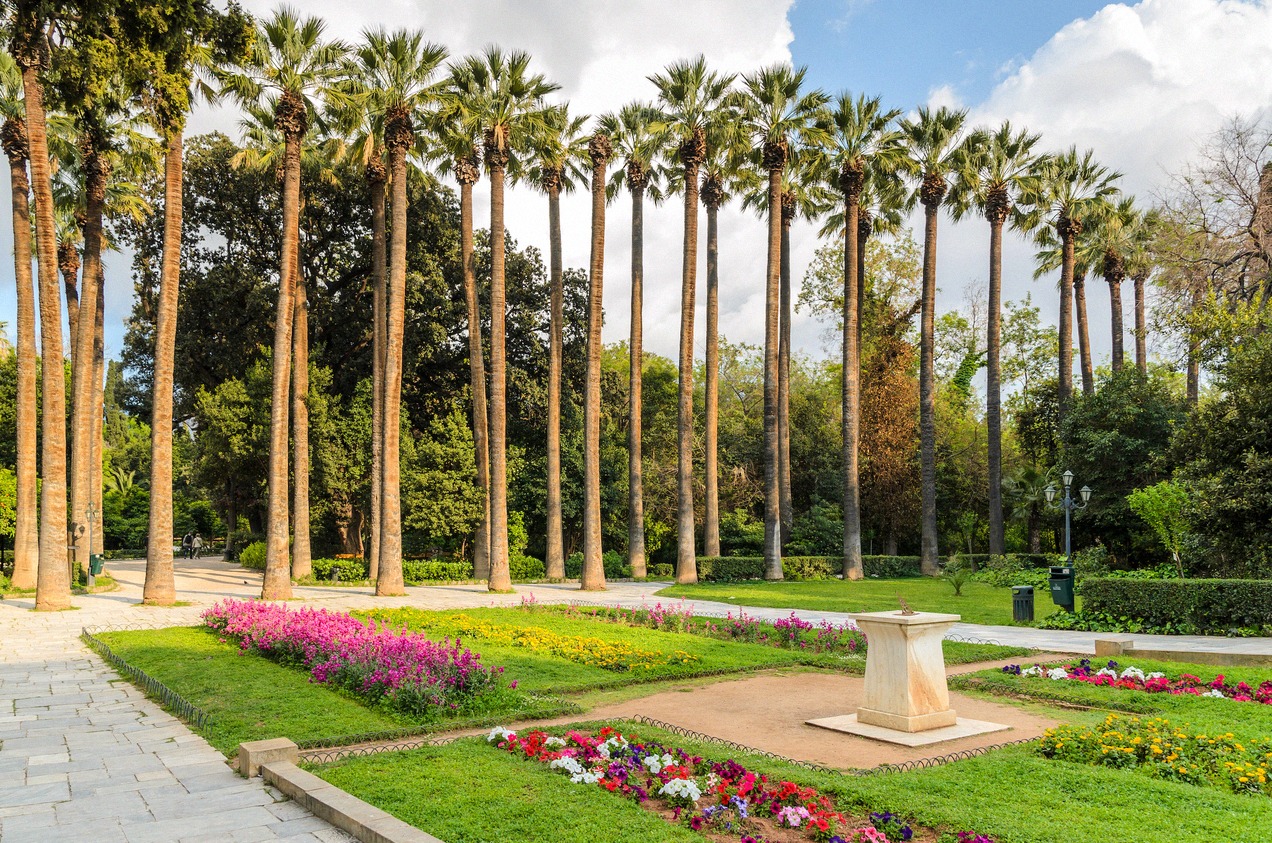
National Garden
Athens’ National Garden lies behind Parliament, with palms, ponds and winding paths. Its gates open daily from sunrise to sunset.
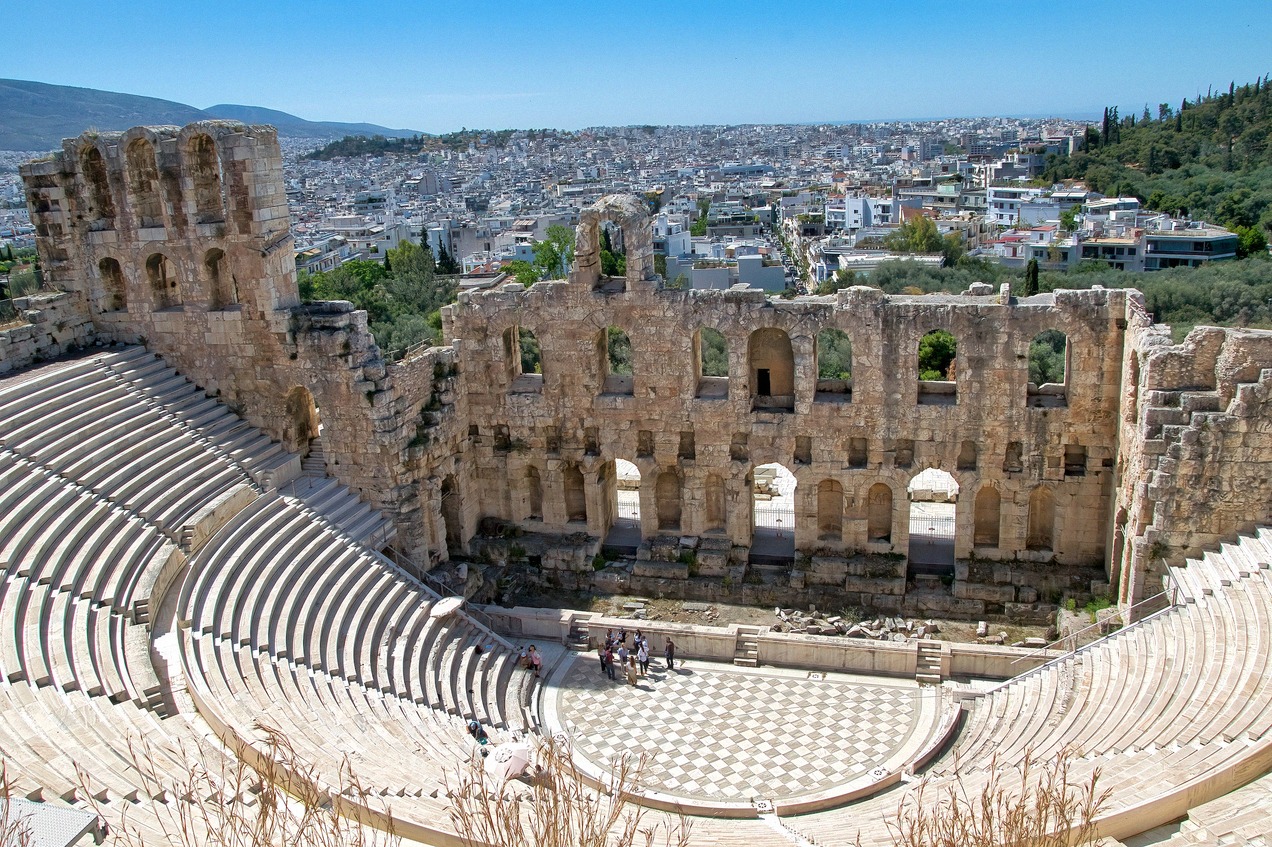
Odeon of Herodes Atticus
The Odeon of Herodes Atticus stands on the southern slopes of the Acropolis. Following farewell performances in June 2026, it is closed for several years of restoration.
On this page
The Acropolis and its south slope
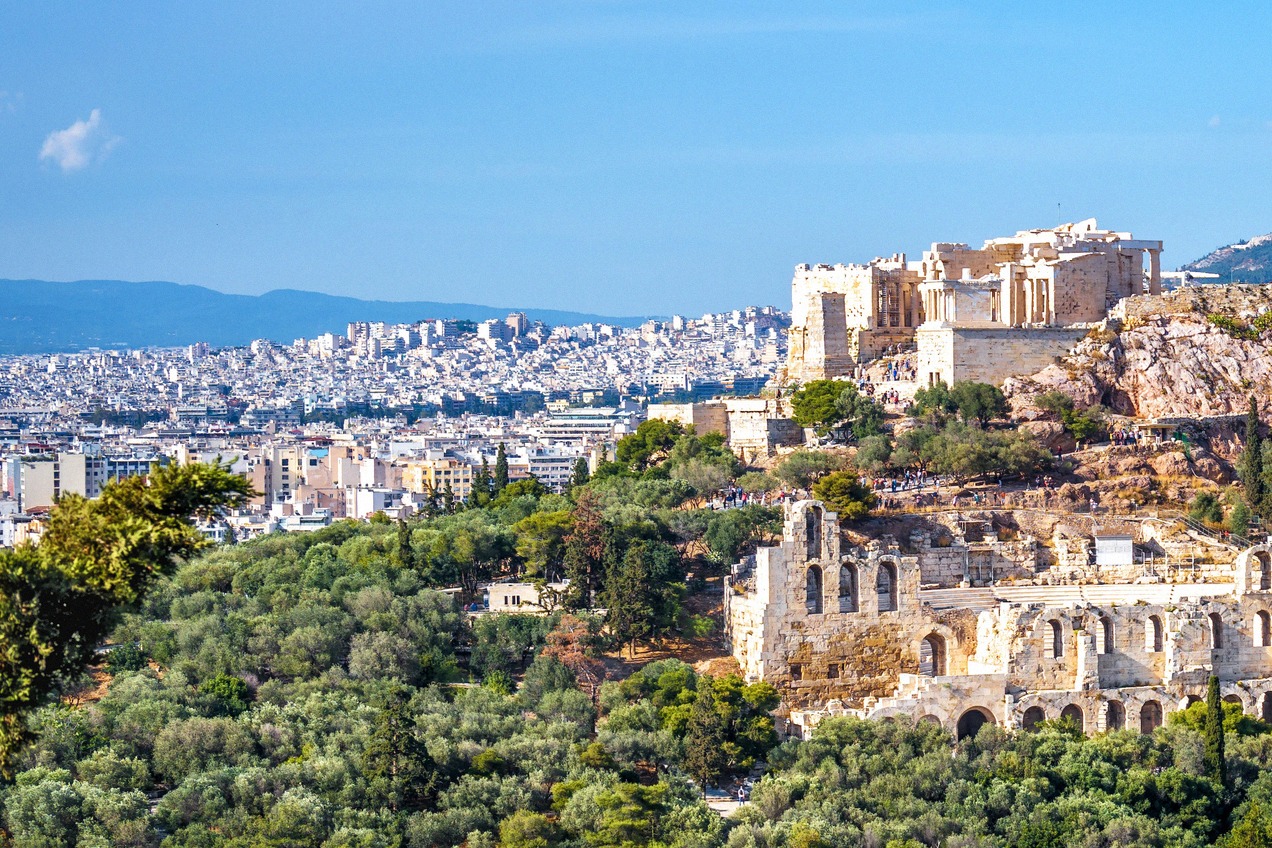
The Parthenon stands on the summit. Two theatres occupy the south slope. Classical Athenian plays were staged at the Theatre of Dionysus. The much later Odeon of Herodes Atticus, with its tall stone stage wall, was built as a roofed concert hall. The broad gateway at the top, the Propylaea, marks the entrance to the sanctuary.
A timed ticket for the rock covers the ancient site. Buy a separate ticket for the Acropolis Museum at its foot. Inside, five of the original Caryatids stand together, and you can follow the procession on the Parthenon frieze at eye level. On Fridays the museum stays open later, so the two visits can also bookend a day in town.
From the Agora to Monastiraki
The colonnade of the rebuilt Stoa of Attalos and the Temple of Hephaestus face each other across the Ancient Agora. The Roman Agora, with the Tower of the Winds, lies further east and has its own entrance. For a walk that needs just one archaeological ticket, visit the Ancient Agora and then follow Adrianou through the market to Plaka.
For a view back across the centre, head to Kolonaki later in the afternoon. From there you can climb Mount Lycabettus or take the funicular to the summit.
From Parliament to the marble stadium
At Syntagma Square, the Evzones change guard at the Tomb of the Unknown Soldier. Walk through the National Garden towards the Zappeion. Across the main road, the marble tiers of the Panathenaic Stadium rise above the running track where athletes competed at the first modern Olympic Games in 1896.
To return to Plaka, pass the Corinthian columns of the Temple of Olympian Zeus. Hadrian's Arch stands beside the site, close to the streets leading back towards the Acropolis.
Tickets and guided walks
The Acropolis, Ancient Agora and museums each offer individual admission. If you want to combine several paid visits with a sightseeing bus, a city pass is another way to pay for the visits. For a closer look at one sanctuary or a walk through today's neighbourhoods, compare the guided tours.