
Acropolis
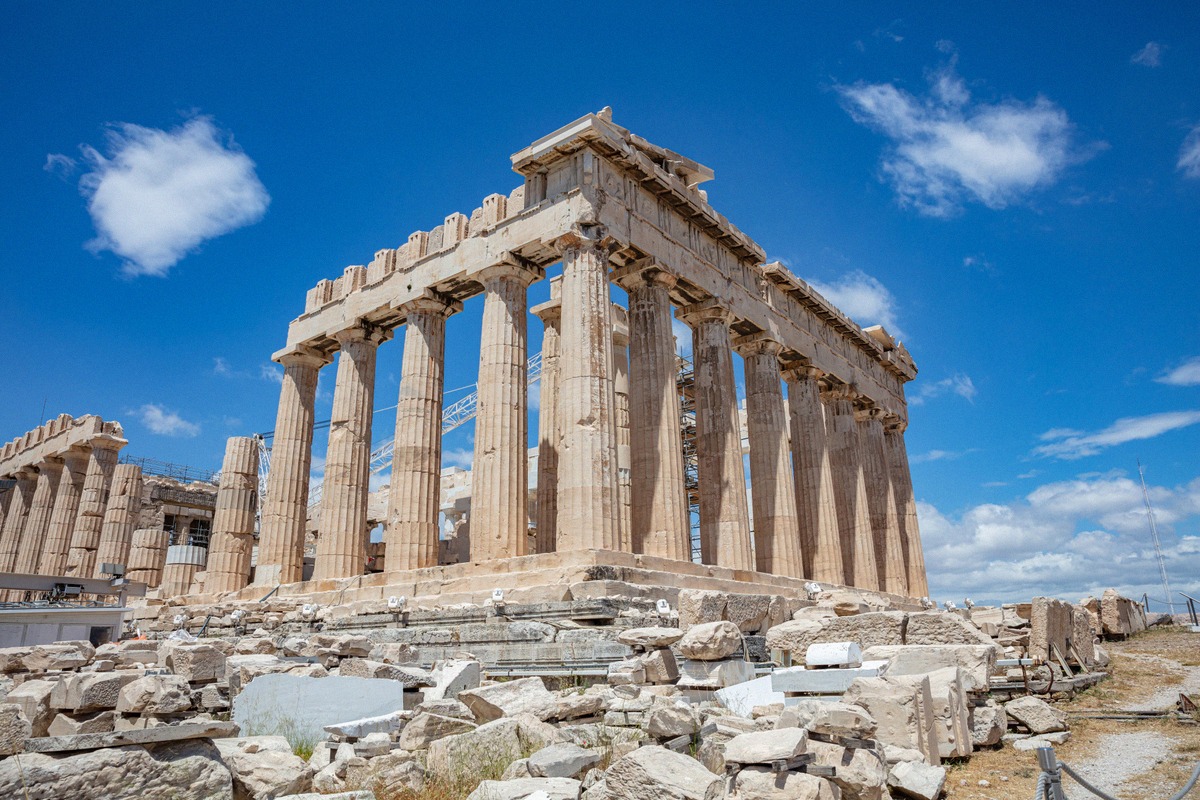
The Parthenon, Propylaea and Erechtheion above Athens
The Acropolis above Athens: the Parthenon, Erechtheion and Propylaea, admission, seasonal opening hours and the separate Acropolis Museum.
Contents
Sanctuary above the city
The Acropolis is the fortified rock above Athens. It was a centre of power in Mycenaean times; later, the plateau became primarily a sanctuary of Athena, the city’s patron goddess. After its destruction by the Persians in 480 BC, the group of monuments that still defines the city’s skyline took shape under Pericles.
The Parthenon is its largest temple. Beside it stand the monumental Propylaea gateway and the Erechtheion with its Caryatid porch. Theatre buildings occupy the southern slopes below the plateau. From the open edges of the rock, views extend across the residential districts to Mount Lycabettus.
The Acropolis and its monuments have been a UNESCO World Heritage Site since 1987.
Originals and copies
The figures on the Erechtheion are copies. Five surviving original Caryatids are in the Acropolis Museum, while the sixth is in the British Museum. At the foot of the rock, the museum also displays architectural sculpture and finds from the sanctuary. The rock and the museum are separate places to visit.
Reaching the plateau
The route climbs from the pedestrianised Dionysiou Areopagitou. The approach through the Propylaea makes the height above today’s city centre apparent. Shade is scarce on the rock, and the circuit includes smooth stone surfaces and steps. Early hours are more comfortable in summer heat.
A lift on the north side provides access to the plateau for people with reduced mobility. It is a dedicated access route rather than an alternative to the regular climb for all visitors. Signposted paths connect the main monuments at the top.
Admission and opening hours
Official bookings are through Hellenic Heritage. Opening hours shorten gradually in autumn; from November to March, the site closes at 17:00. A separate ticket is needed for a subsequent museum visit. The Ancient Agora complements the temples on the rock with the political and commercial spaces of the ancient city.
Frequently asked questions
Is the Acropolis Museum included in the admission price? +
What is the difference between the Acropolis and the Parthenon? +
Nearby
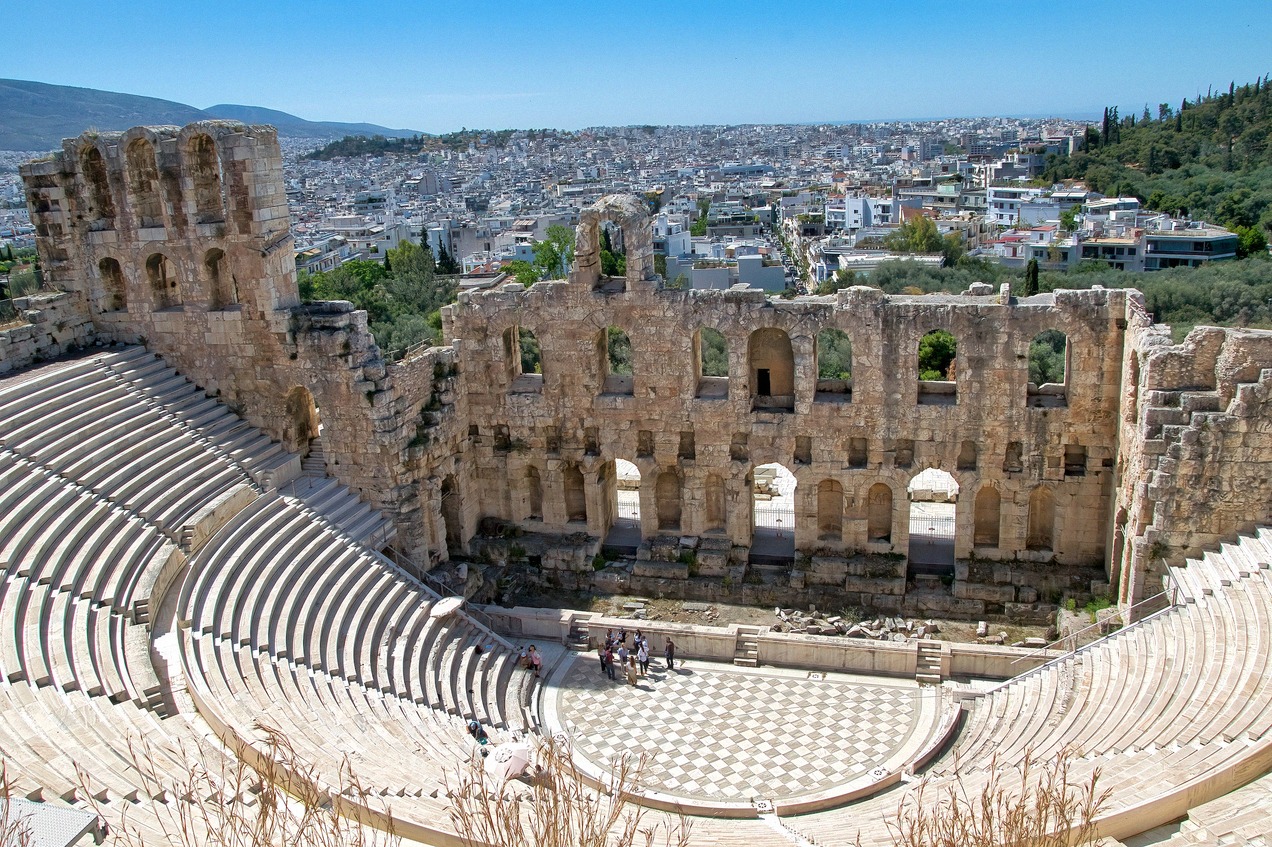
Odeon of Herodes Atticus
The Odeon of Herodes Atticus stands on the southern slopes of the Acropolis. Following farewell performances in June 2026, it is closed for several years of restoration.
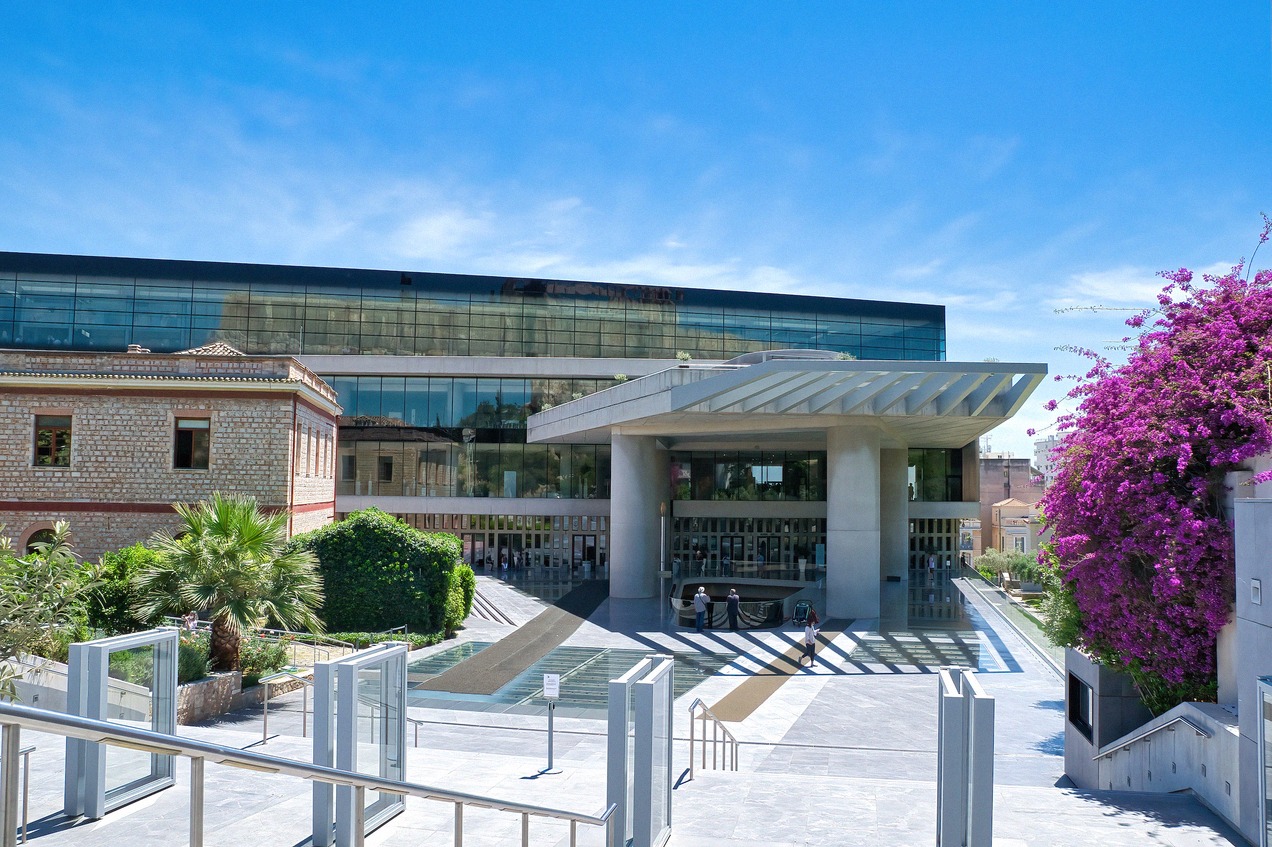
Acropolis Museum
Archaic sculpture and the Parthenon’s carved decoration at the Acropolis Museum, with an excavated neighbourhood beneath the building, admission and winter hours.
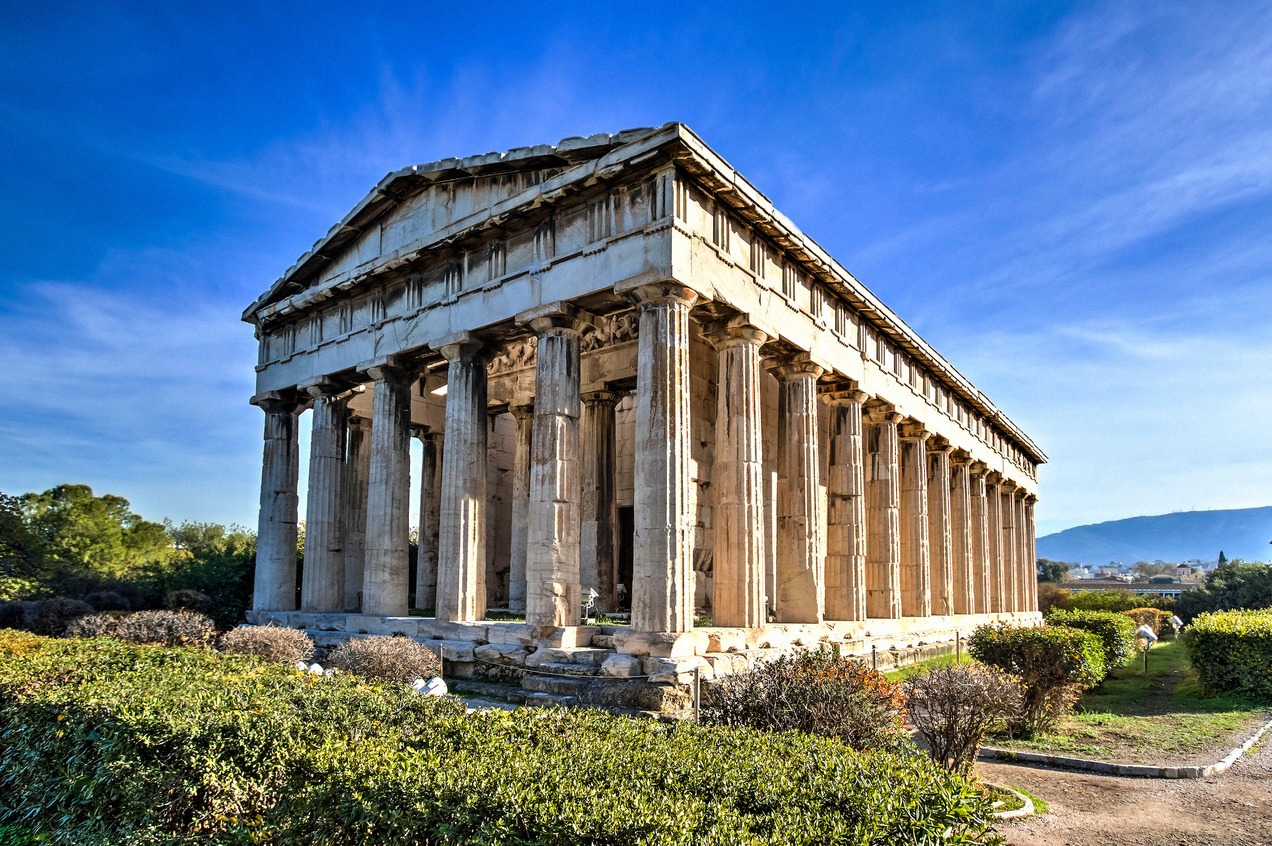
Ancient Agora
Athens’ Ancient Agora, with the Temple of Hephaestus and Stoa of Attalos, was the political and commercial centre below the Acropolis.
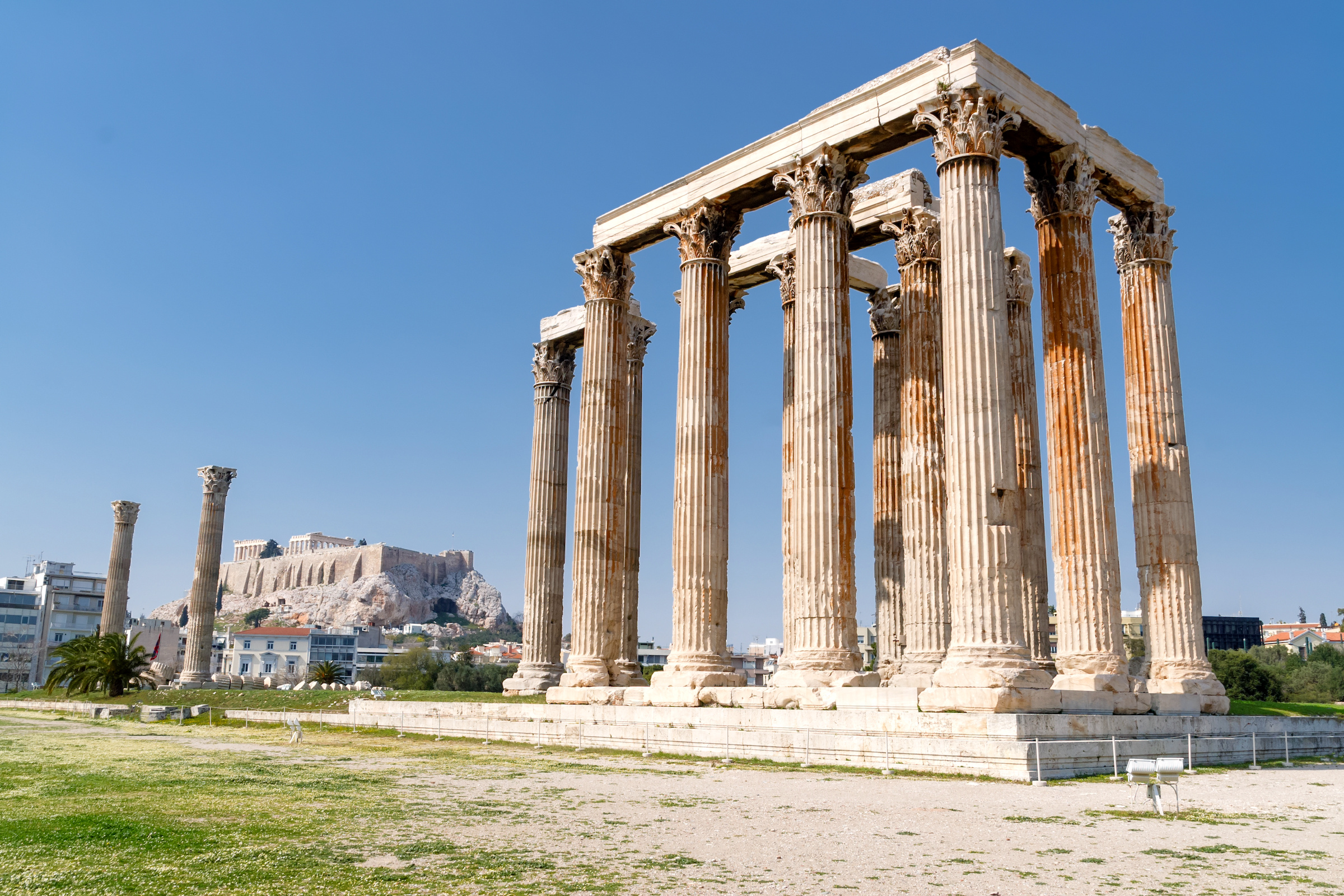
Temple of Olympian Zeus
The Temple of Olympian Zeus in Athens: Corinthian columns, Hadrian’s building project and the setting between the Acropolis and National Garden.
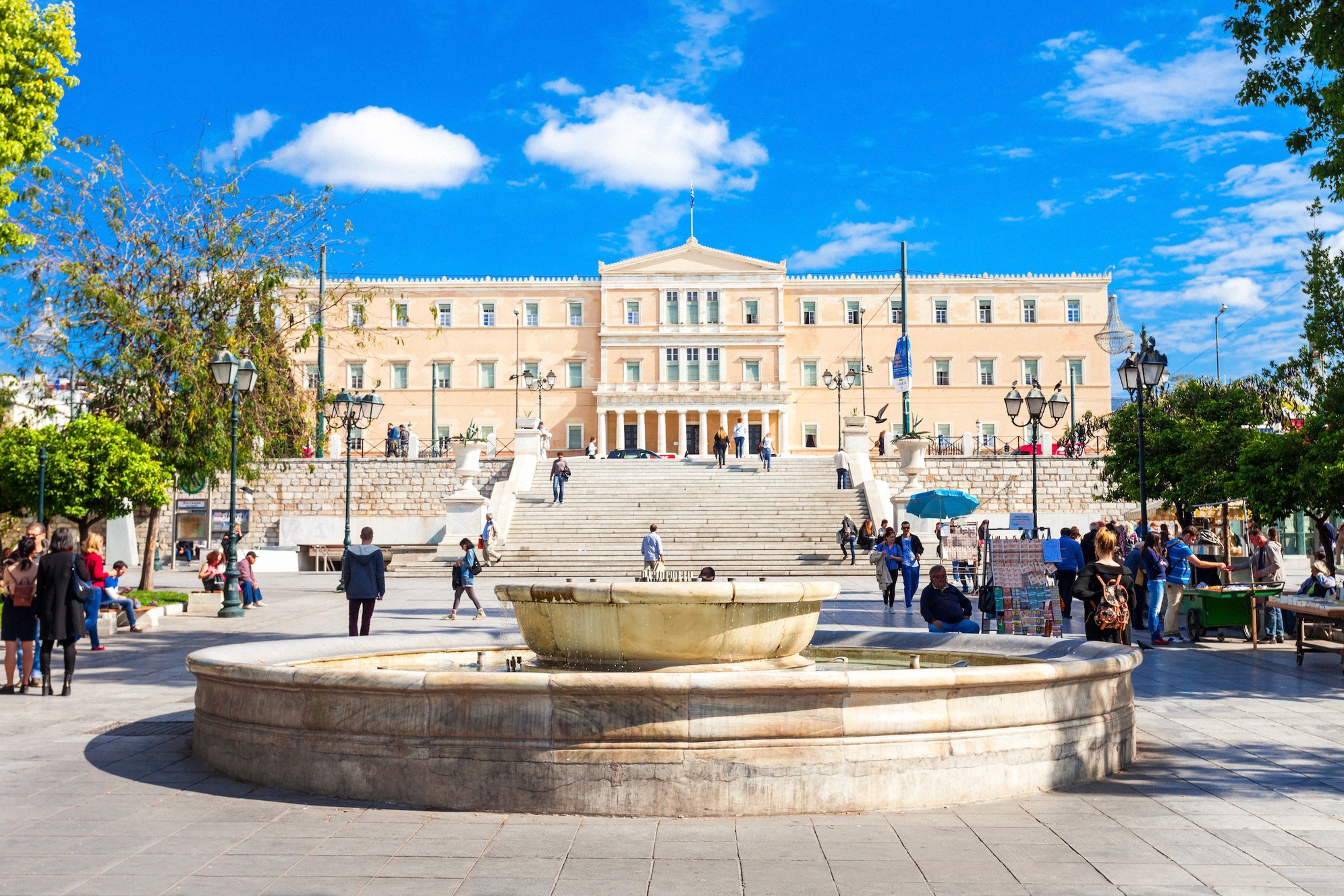
Syntagma Square
Syntagma Square brings together Parliament, the changing of the Evzone guard and two metro lines. The National Garden lies immediately behind Parliament.
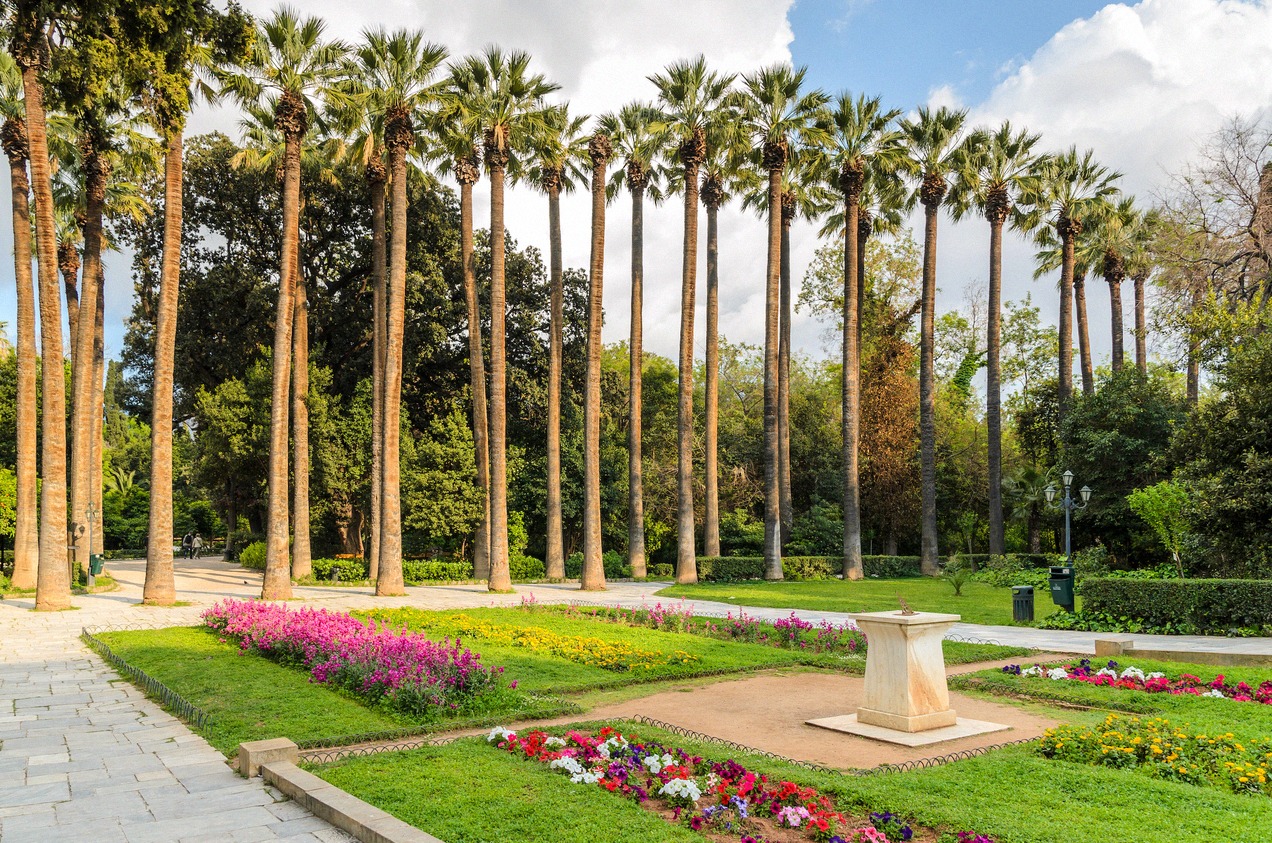
National Garden
Athens’ National Garden lies behind Parliament, with palms, ponds and winding paths. Its gates open daily from sunrise to sunset.